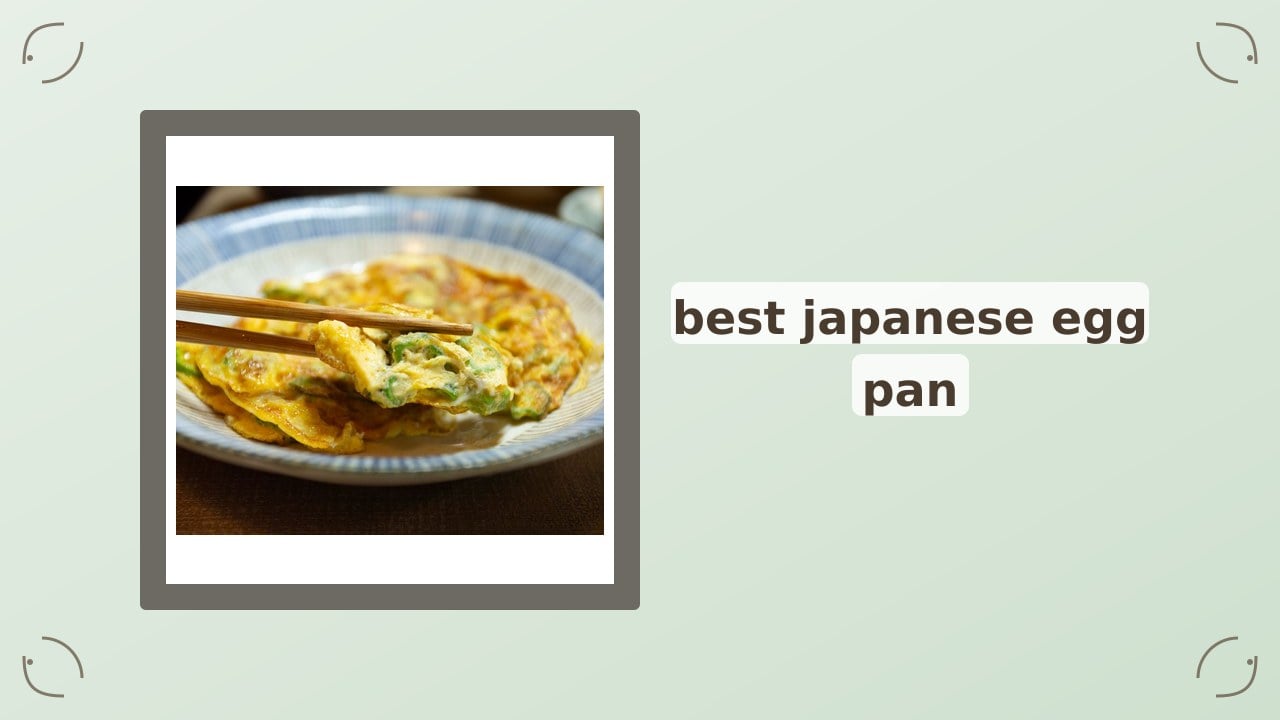
Making tamagoyaki is a sequence of small decisions: control the heat, add a thin layer, then roll it before the egg sets too firmly. The pan cannot do that work by itself, but its shape and material can make the margin for error wider—or narrower. Low, sloped sides help with rolling, while the difference between coated aluminum, iron, cast iron, and copper becomes most noticeable when the heat changes.
That is why the best choice is not necessarily the most traditional one. These six options cover quick-release non-stick surfaces, more involved iron pans, and highly responsive copper, so the useful question is how much maintenance and heat management your routine can absorb.
Which tamagoyaki pan actually makes the rolling easier?
T-fal Unlimited 3X Rouge Tamagoyaki Pan
The T-fal Unlimited 3X Rouge is the straightforward convenience choice among these pans. It usually sells for ¥4,000 to ¥5,200 in Japan and uses T-fal’s Titanium Anti-Scratch coating, the current replacement for the older Ruby and Select series. That places it toward the higher end of the non-stick options, but the tradeoff is simple: less attention is needed while each egg layer is being moved and folded.
It makes sense for cooks who want to use little oil and avoid seasoning or drying routines. The limitation is equally clear: for a single-purpose pan, its price asks you to value convenience more than versatility.
Iwachu Nambu Cast Iron Tamagoyaki Pan
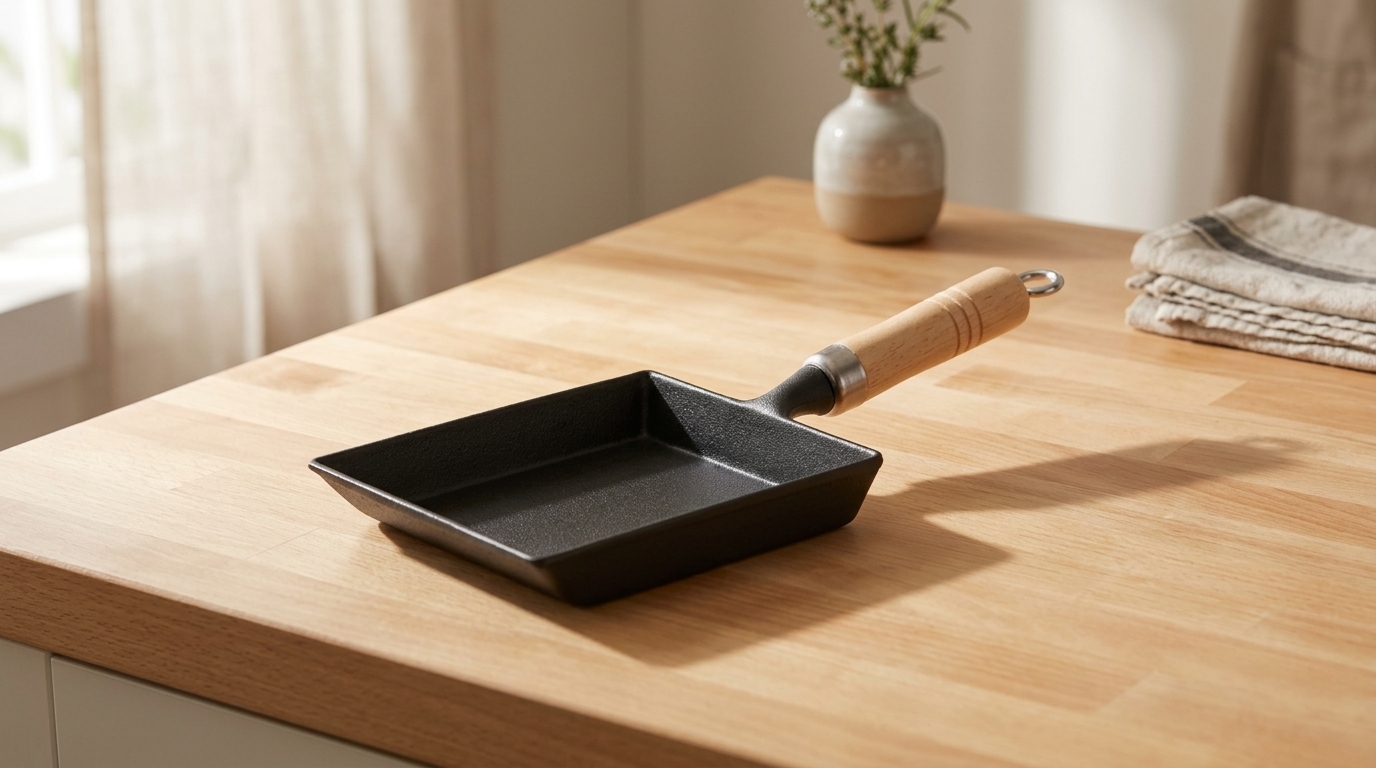
Iwachu’s Nambu Ironware pan takes the opposite approach. At ¥7,480 on the official store, it is the most expensive option in this group and uses traditional cast iron, which means seasoning, careful drying, and attention to rust. In return, the pan holds heat rather than shedding it quickly when fresh egg mixture is added.
That stability appeals to cooks who see the pan as a long-term tool rather than a low-maintenance appliance. There is also a timing consideration: Iwachu has announced that prices for certain products will increase starting September 1, 2026. The upkeep remains part of the bargain, but the current price is relevant for anyone already considering this model.
Meyer Midnight Series Egg Roll Pan
The Meyer Midnight Series occupies a less clearly defined position in the list. Its dark finish gives it a different visual character from the brighter cookware commonly used for egg pans, and it is presented as a premium non-stick option. The coating is intended to reduce sticking during the repeated lifting and rolling that tamagoyaki requires.
Choose it when appearance and coated convenience matter, but do not treat it as an iron substitute. Its appeal is a familiar non-stick routine in a specialized shape, not the heat retention or developing surface of seasoned cookware.
Ambai Tamagoyaki Iron Pan
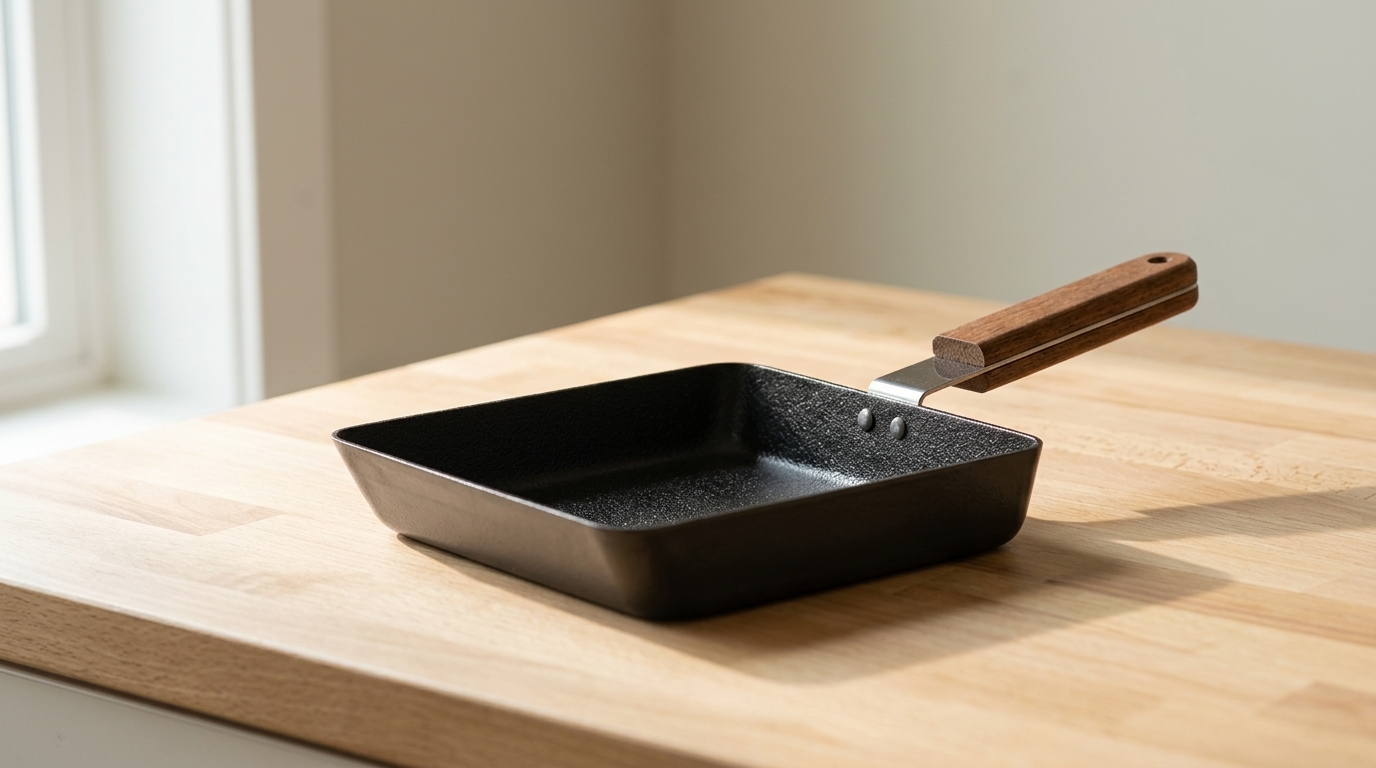
Ambai’s iron pan is a compromise between traditional material and manageable daily handling. It is lighter than the Iwachu cast-iron model, while still asking the owner to season it and build up a more forgiving cooking surface over time.
That makes the learning curve part of the decision. Someone moving directly from non-stick cookware may find the early care less convenient, but the lighter construction can make iron feel less demanding than full cast iron. It is a reasonable middle path for buyers who want to leave synthetic coatings behind without committing to the heaviest option.
River Light Kiwami Premium Tamagoyaki Pan
River Light’s Kiwami Premium addresses the main objection many buyers have to iron: maintenance. The nitrided iron series is rust-resistant, with the small 11x14cm pan priced around ¥4,400 and the medium 13x18cm version around ¥5,500. It still behaves like iron, but it is less demanding about washing and drying than untreated cookware.
That distinction matters more than the label “premium.” The series is a strong fit for someone who wants iron’s heat behavior but does not want every wash to become a rust-prevention task. Compared with Ambai or Iwachu, the attraction is not that it removes all care; it reduces the friction that makes some buyers avoid iron altogether.
Nakamura Douki Copper Tamagoyaki Pan
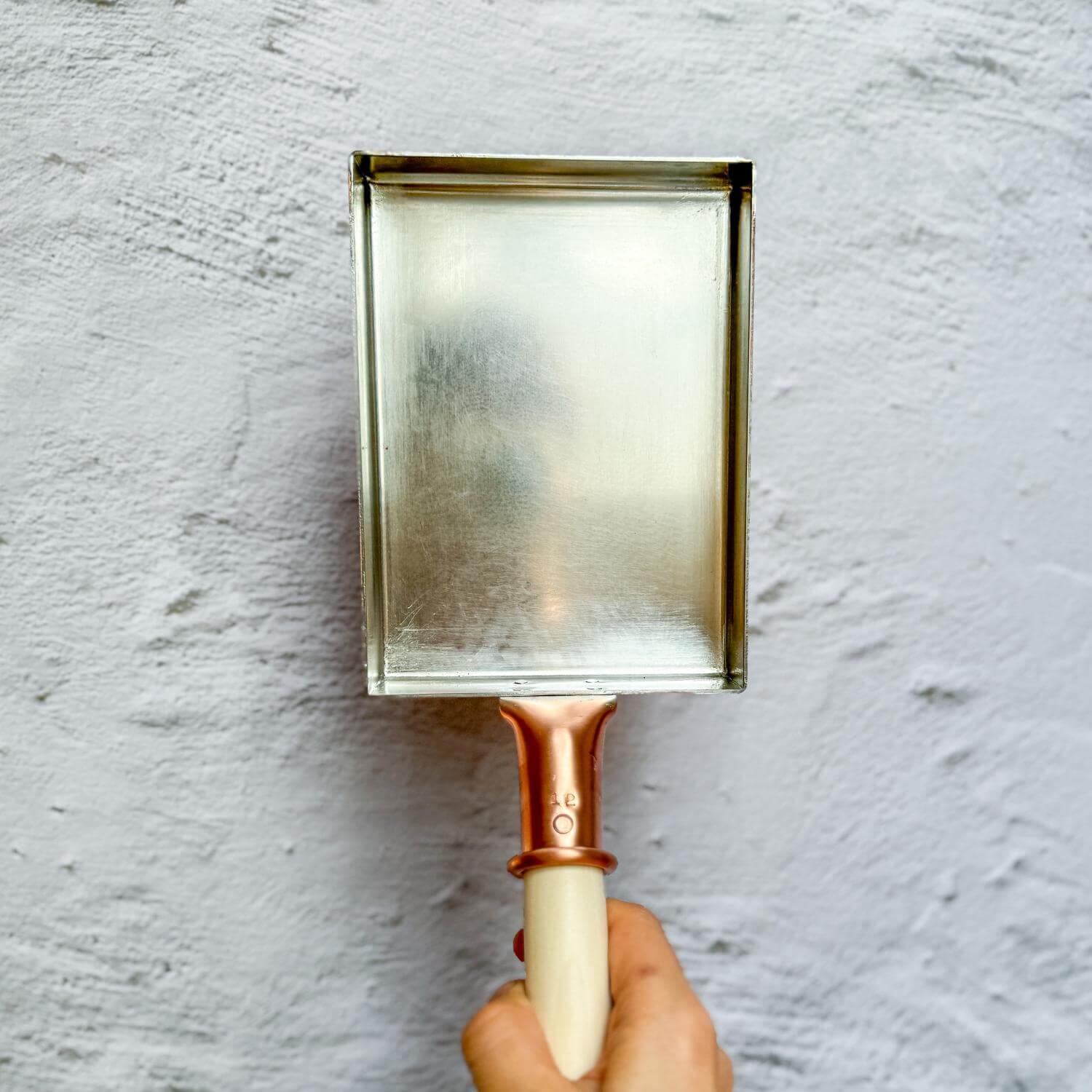
Copper is the specialist choice here. The Nakamura Douki pan responds quickly when the flame is adjusted, so it offers more immediate temperature control than the heat-retaining iron models. For thin egg layers, that responsiveness can be useful when the pan needs to move from cooking to holding without much delay.
The same responsiveness makes copper less automatic: the cook must keep making those adjustments. Polishing and careful handling also add maintenance, and a compromised lining can create concerns with acidic foods. It therefore suits buyers who specifically value thermal precision, rather than anyone simply looking for the easiest route to breakfast.
How to choose
The material decision comes down to three questions: how much release you want immediately, how willing you are to maintain the surface, and how actively you want to manage heat. The rectangular shape is shared, but the daily routine is not. The maintenance distinction introduced above is the one that usually determines whether a pan remains enjoyable to use.
Choose the T-fal Unlimited 3X Rouge if you want a quick, low-oil non-stick routine. Its aluminum construction heats quickly and suits rushed cooking, provided you treat the coating appropriately.
Choose the Iwachu Nambu Cast Iron or Ambai Tamagoyaki Iron Pan if durability and traditional iron cookware matter more than minimal upkeep. Both require seasoning and careful drying, with Iwachu emphasizing heat retention and Ambai offering a lighter approach.
Go with the Meyer Midnight Series Egg Roll Pan if you want a coated rectangular pan with a modern appearance. Its advantage is convenience and shape, not the long-term surface development associated with iron.
Select the River Light Kiwami Premium if you want iron with greater resistance to rust-related hassle. It remains a maintenance choice, but the nitrided construction makes that choice easier to live with.
Invest in the Nakamura Douki Copper Tamagoyaki Pan if rapid temperature response is the priority and you have a gas stove. Copper offers control, but it also demands more attention and careful handling.
Maintenance is therefore more than a footnote. Coated aluminum is the simpler path; iron and copper ask for habits that must be repeated. That extra work may be worthwhile, but only if the material’s particular benefit—stability, durability, or responsiveness—matters to you.
For a craft-oriented routine, Iwachu, Ambai, River Light, or Nakamura Douki can make sense. For a routine built around speed and fewer decisions, T-fal or Meyer is the more coherent choice.
FAQ
Is a non-stick coating or raw iron better for making tamagoyaki?
Neither is universally better; they remove different difficulties. The T-fal Unlimited 3X Rouge and Meyer Midnight Series reduce friction at the pan surface, so the rolling process requires less seasoning knowledge and less oil. That is particularly useful while the technique is still becoming consistent.
Iron pans such as the Iwachu Nambu, Ambai, and River Light Kiwami Premium replace that immediate convenience with a care routine. Seasoning and drying help control sticking and rust, while the material’s heat behavior becomes part of the cooking process. The River Light is the less demanding iron option of the three, but it does not turn iron into non-stick cookware. The choice returns to the earlier tradeoff: easier starts versus a material that rewards continued care.
What is the difference between copper and cast iron for egg cooking?
Copper changes temperature quickly, while cast iron resists change. The Nakamura Douki Copper Tamagoyaki Pan therefore gives faster feedback when the flame is adjusted, which can help when the egg needs to stop cooking before it browns too far. That control is useful, but it also requires more active attention.
The Iwachu Nambu model behaves more slowly because it retains heat. Once hot, it is less affected by the addition of cooler egg mixture, producing a steadier cooking environment rather than an immediately adjustable one.
In short, copper favors correction; cast iron favors stability. Neither characteristic is automatically superior for tamagoyaki, and the distinction matters most to cooks who already know which kind of heat response they prefer.
Are these pans only good for Japanese rolled omelets?
No, but their shape establishes a boundary. A rectangular pan is well suited to building thin layers and pushing them into a compact roll. The Meyer Midnight Series, for example, is marketed as an egg roll pan, and the narrow profile can also accommodate small portions of bacon, sausages, stir-fries, or grilled sandwiches.
That versatility is limited by scale and movement. Large portions and foods that need tossing are more awkward than they would be in a round skillet. So these pans can supplement a main pan, but they are specialized tools first—an important distinction if the purchase is being justified as general cookware.
Do I need special utensils for these Japanese egg pans?
For the T-fal Unlimited 3X Rouge and Meyer Midnight Series, use silicone, wood, or bamboo utensils rather than metal spatulas or whisks. Protecting the coating is part of preserving the easy-release benefit that made these pans attractive in the first place.
The iron and copper models do not have a synthetic coating to peel, so they allow more freedom with utensils. Even there, restraint matters: metal can damage soft copper or disturb seasoned iron. The practical rule follows the material rather than the shape—protect coated surfaces, and handle bare metal according to its own vulnerabilities.
Conclusion
For the least demanding morning routine, the T-fal Unlimited 3X Rouge is the clearest choice. Meyer offers a similar coated approach with a different appearance, while River Light is the more approachable route into iron. Those distinctions are more useful than simply ranking one pan above the others.
Iwachu and Ambai make sense when long-term iron care is acceptable, and Nakamura Douki is the specialist option for rapid heat control. Choose the surface and maintenance routine you can sustain; the best tamagoyaki pan is the one whose tradeoffs remain manageable after the novelty of the purchase has passed.
