
Disclosure: This post contains affiliate links. If you buy through them we may earn a commission, at no extra cost to you.
Choosing a planner can feel like picking the personality trait you wish you had instead of a tool you’ll actually use. The more useful question is narrower: how much structure will still help once the novelty wears off? Japanese stationery brands answer that in very different ways, from pocket-sized weeklies to expansive daily logs.
Here are nine contenders, compared by their actual specs and 2026 pricing, so you can choose with less guesswork. The key distinction will return throughout the guide: some books give the day a framework, while others leave the page deliberately open.
Which Japanese journal actually fits your workflow?
Hobonichi Techo Original
The Hobonichi Techo Original remains the gold standard for anyone who treats their day as a canvas rather than a checklist. The 2026 A6 edition is priced at approximately AUD 65 and uses the newly adopted Tomoe River S paper. Its thin pages support a dense, comprehensive daily log, but that density is also the commitment: this is not a lightweight option in how it asks to be used.
It suits someone who wants to record everything from meal plans to deeper reflections on a single page. The trade-off is built into the format. If a day goes unrecorded, the blank space remains visible, so its generous room can feel either encouraging or demanding. It is available on Amazon.
Hobonichi Techo Cousin
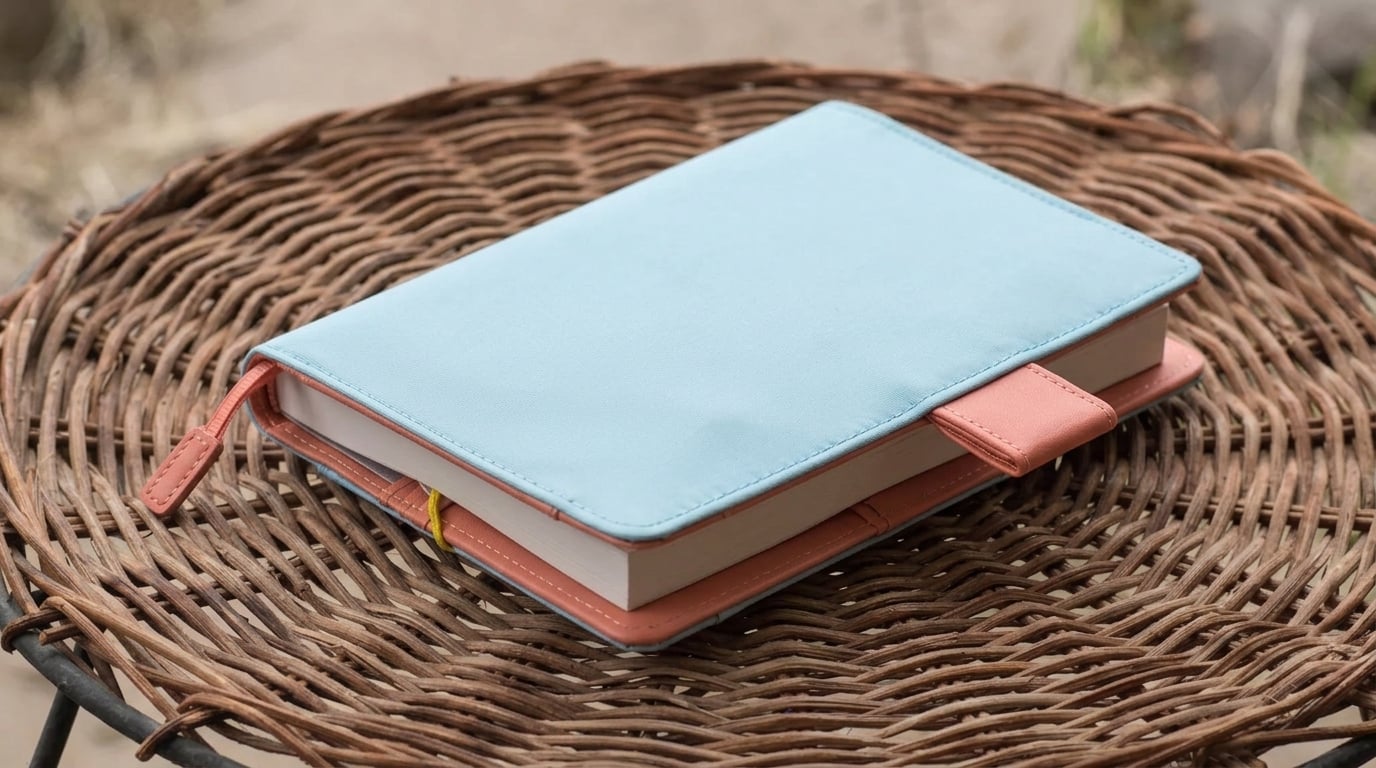
The Hobonichi Techo Cousin changes the question from “How do I fill this day?” to “How much room do I want this period to have?” Its two-day-per-page layout offers a broader horizontal space and reduces the pressure of accounting for every hour.
It retains the same high-quality Tomoe River S paper found in the rest of the 2027 lineup, launching September 1, 2026, at 11:00 AM Japan Time. That makes it a better fit for lighter schedules, creative brainstorming, or entries that need space rather than hourly precision. The compromise is equally clear: productivity obsessives may miss granular time slots. It is available on Amazon.
Hobonichi Techo Weeks
The Hobonichi Techo Weeks is the pragmatic choice for someone who needs a plan that stays out of the way. The 2027 model is priced between $30 and $35 and condenses the weekly view into a slim, wallet-friendly profile. A standard weekly grid sits on the left, while the right page provides memo space.
This balance favors quick glances, rapid logging, and portability. It is easier to carry than a full daily record, but the same compactness limits detailed entries. The Weeks is therefore less about documenting everything and more about preserving the parts of the week that need to remain visible. It is available on Amazon.
Hobonichi Techo HON
The Hobonichi Techo HON narrows the brief further: portability comes first. As part of the 2027 collection using Tomoe River S paper, it offers a compact footprint for small bags and essential notes.
That makes it a capture tool rather than a place for extensive reflection. For minimalists, the limited writing area may be the point; for anyone who wants a long daily entry, it is likely to feel restrictive. It is available on Amazon.
Midori MD Notebook
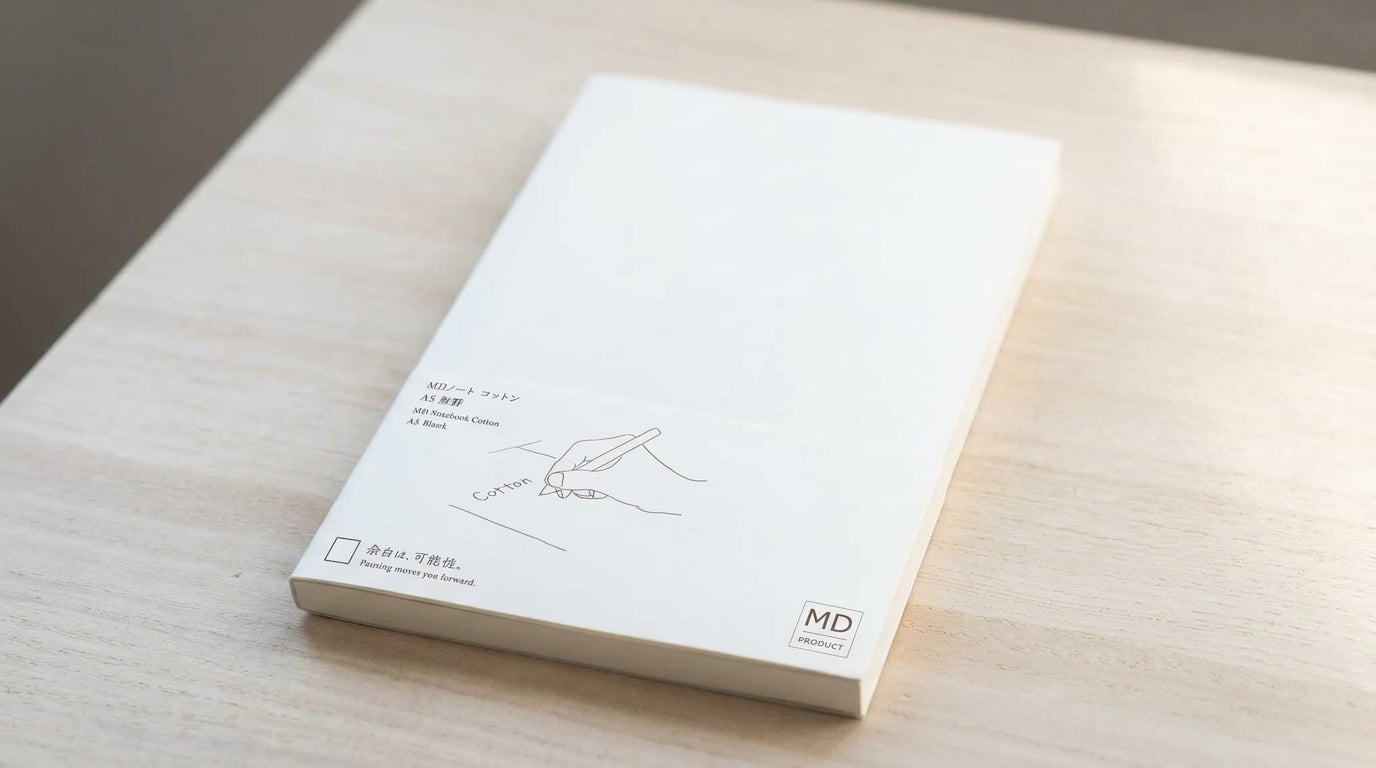
Midori MD Notebooks remove the calendar entirely. Priced between $12 and $22, they are significantly more affordable than the Hobonichi systems and offer high-quality paper for free-form journaling. The absence of a prescribed layout is the important feature here, not a missing one.
Writers, sketchers, and anyone who finds dated boxes restrictive can create a system that follows the work. That freedom also transfers the organizational burden to the user: an open page can be liberating, but it can be daunting without a structure of your own. It is available on Amazon.
Traveler’s Notebook Starter Kit
The Traveler’s Notebook Starter Kit is less a single planner than a modular arrangement. Its refills can change with the task, whether the need is a calendar, a blank notebook, or a grid pad. That makes it useful when one fixed format is unlikely to suit the entire year.
The flexibility comes with friction. The initial setup requires more effort than choosing a ready-made diary, and the refills can add up in cost over time. It suits people who would rather maintain a system than accept one permanent layout. It is available on Amazon.
Stalogy 365 Days Notebook
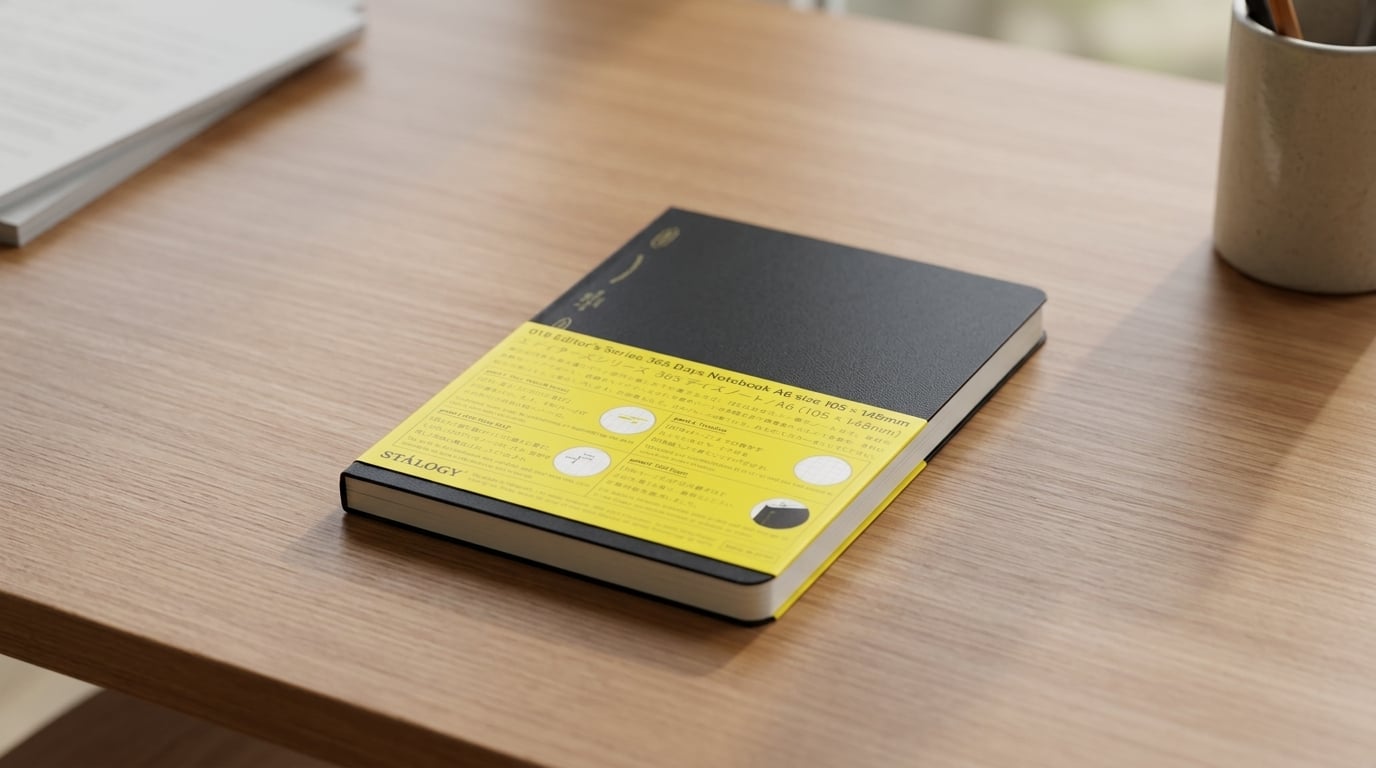
The Stalogy Editor’s Series 365 Days Notebook is priced at approximately $25.00 and uses its grid to make space feel more like a map than a list. Diagrams, connections, and project fragments can coexist without being forced into conventional lines.
That visual freedom makes it a strong option for creative brainstorming and project planning, but it does not impose the chronological discipline of a dated planner. It is best for someone who thinks in relationships between ideas and is willing to supply the organizing logic. It is available on Amazon.
Kokuyo Jibun Techo
Kokuyo Jibun Techo makes time itself the organizing principle. A vertical hourly schedule sits alongside a monthly calendar and idea notes, turning the notebook into a record of how the day is allocated rather than merely a list of intentions.
That precision is useful for time-blocking and productivity audits, but only if the user is prepared to keep up with it. Without regular entries, the dense layout can become clutter rather than clarity. It suits a data-driven approach to planning, where the value lies in seeing the hours accounted for. It is available on Amazon.
Apica Premium C.D. Notebook
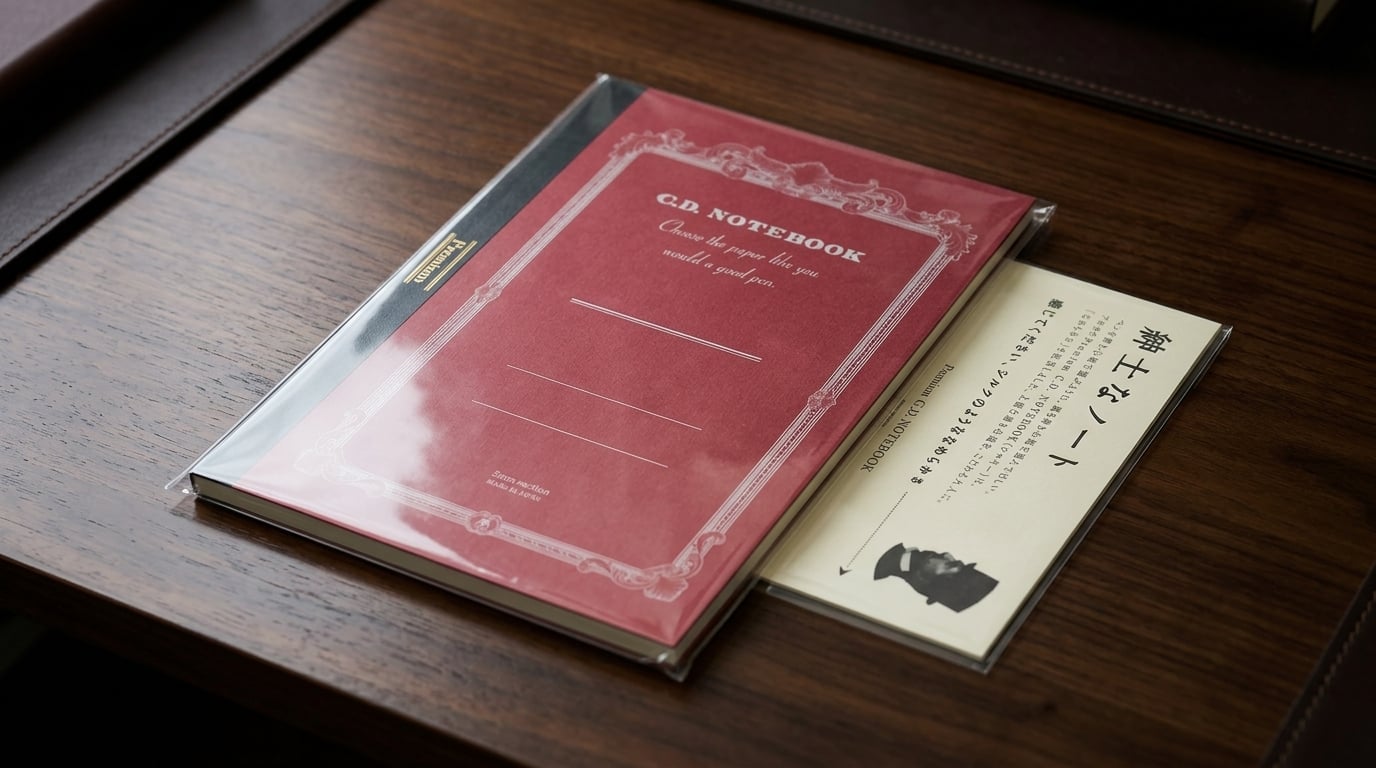
The Apica Premium C.D. Notebook takes the opposite approach to the Jibun Techo: it asks very little of the page. Its creamy, smooth pages and understated design put the act of writing ahead of scheduling functions.
As an unlined or ruled notebook, it works best as a companion to a separate planning system rather than a replacement for one. That limitation is also its appeal for purists who do not want a calendar deciding what belongs on the page.
It is available on Amazon.
https://twitter.com/JPSJ_official/status/1659393203395776513
The main types explained
The market falls into two broad groups: dated daily planners and undated notebooks. Hobonichi and Kokuyo suit people who want a fixed schedule, especially with day-per-page and time-blocked layouts. Midori, Stalogy, and Apica leave more of the system to the user, while Traveler’s Notebook occupies the middle ground through interchangeable inserts.
Prices vary widely, from budget-friendly MD notebooks to premium notebooks made with Tomoe River S paper. Cost matters, but the more revealing trade-off is whether you are paying for paper and binding or for a structure that removes organizational decisions.
-
Hobonichi Techo Original: This A6 daily planner sits at the premium end, with the 2026 model priced around AUD 65. It suits users who want a comprehensive day-per-page system and don’t mind paying more for a high-end binding.
-
Hobonichi Techo Weeks: A compact weekly planner that balances portability with structure. The 2027 edition runs between $30 and $35, making it a mid-range option for people who prefer a weekly spread to a daily one.
-
Apica Premium C.D. Notebook: A classic undated journal that emphasizes paper quality and durability. It appeals to traditionalists who prefer a simple writing experience with reliable performance.
How to choose
Start with the behavior you want the notebook to support, not the cover you are most likely to admire. If the book must tell you where to put an appointment, choose structure. If it must accommodate ideas that do not arrive in order, choose openness. Portability then becomes the final constraint rather than the entire decision.
-
Choose the Hobonichi Techo Original for a detailed daily record in a compact size that fits easily in most bags.
-
Choose the Hobonichi Techo Cousin if you need more room for long entries or a larger writing surface without moving to a full binder.
-
Choose the Hobonichi Techo Weeks for a light schedule and a slim, wallet friendly format that fits easily in a pocket.
-
Choose the Kokuyo Jibun Techo if strict time management matters and you need hourly slots to track your day.
-
Choose the Stalogy 365 Days Notebook if you dislike pre-printed dates and want to start on any day of the year without leaving unused pages.
-
Choose the Traveler’s Notebook Starter Kit if you want a modular system with inserts you can swap for travel or working at home.
-
Choose the Midori MD Notebook or Apica Premium C.D. Notebook if you prefer blank or lined pages for freeform journaling instead of structured planning grids.
The main choice is between a fixed calendar and open ended pages. It affects whether the notebook supplies momentum or depends on you to create it. Before choosing a dated daily planner, consider how much time you actually spend writing; the generous format only helps when it matches that habit.
Best picks by use case
If you want one book for daily thoughts, appointments, and sketches, the Hobonichi Techo Original gives you a full page for each day. Its space supports detailed journaling, but the earlier warning about commitment applies here too: a full page is useful only if you want a full-page relationship with the day. It’s available on Amazon.
The Hobonichi Techo Weeks uses the same high-quality paper in a smaller format. It fits in a small bag or a large pocket, so it is easier to carry for commuting or everyday planning. Choose it on Amazon if portability matters more to you than extra writing space.
The Midori MD Notebook leaves the page layout up to you. Its blank, high-quality pages work for bullet journaling, sketching, and free-form notes. It is a better fit for artists and planners who find dated boxes too restrictive, and it is available on Amazon.
Things to watch out for
Availability and pricing can change significantly by year and region. The figures below cover specific 2026 and 2027 releases, so check current stock before assuming a model is ready to ship. Release timing is especially relevant when comparing the two Hobonichi formats that otherwise seem similar on paper.
-
The 2027 Hobonichi Techo collection uses Tomoe River S paper, which may feel different from the classic Tomoe River paper used in previous years.
-
New 2027 Hobonichi models launch on September 1, 2026, at 11:00 AM Japan Time. Purchases made before then will be for the current year’s edition.
-
Prices vary across the lineup. The 2026 Hobonichi Techo Original A6 costs around AUD 65, while the more compact 2027 Weeks costs between $30 and $35.
-
Midori MD Notebooks cost $12 to $22, while the dedicated 2026 diaries cost $15 to $35. Make sure you’re comparing a blank notebook with a dated planner.
-
The Stalogy Editor’s Series 365Days Notebook costs approximately $25.00, making it a mid-range alternative to the dated formats used by other Japanese journals.
FAQ
Which planner layout works best for a packed daily schedule?
If you need to track every hour, the Hobonichi Techo Original is the standard choice because it dedicates a full page to each day. This gives you room to log appointments, tasks, and reflections without feeling cramped, although the Jibun Techo is the more explicitly time-blocked option. It is available on Amazon.
For those who prefer a weekly overview with more writing room, the Hobonichi Techo Weeks offers a compact format with a vertical weekly spread on one side and blank pages on the other. This setup lets you see your whole week at a glance while still having space for detailed notes.
What should I buy if I want a minimalist notebook for free-form writing?
The Midori MD Notebook is ideal if you prefer blank or grid pages without pre-printed dates or layouts. Its simple design lets you use it as a journal, sketchbook, or project planner without being constrained by a specific structure. It is available on Amazon.
Another strong option for unrestricted writing is the Apica Premium C.D. Notebook, which features high-quality paper suitable for various pen types. Like the Midori MD, it does not impose a daily or weekly framework, making it useful for users who want total flexibility in how they organize their thoughts.
Are there options that combine planning with long-term note storage?
The Hobonichi Techo Cousin is designed specifically for this purpose, pairing a standard daily planner with a separate section for long-term notes and records. This two-in-one structure helps keep your daily schedule distinct from your reference material or project logs. It is available on Amazon.
If you prefer a system that grows with your needs, the Traveler’s Notebook Starter Kit allows you to insert different refills, such as calendars, blank paper, or grid notebooks. This modular approach means you can customize the combination of planning and note-taking tools to fit your current workflow.
Which journals are best for time-blocking or hourly tracking?
The Kokuyo Jibun Techo is built around time management, featuring hourly slots that help you visualize how you spend your day. This layout is particularly useful for people who want to allocate specific blocks of time to tasks and track their productivity accurately. It is available on Amazon.
The Stalogy 365 Days Notebook also supports detailed daily logging with its structured layout, offering space for both scheduled events and free notes. While it does not always use strict hourly lines like the Jibun Techo, its design encourages consistent daily entry and reflection throughout the year.
Conclusion
If you want one all-purpose daily companion, the Hobonichi Techo Original remains the gold standard. The Weeks is a better fit if you prefer a lighter weekly layout. For a simple, enjoyable writing experience, the Midori MD Notebook or the Apica Premium C.D. may be the better choice.
Choose the format that matches your actual rhythm: a full page if you will use it, a weekly spread if you need portability, or open pages if structure gets in the way. The most attractive system is not necessarily the one that earns a place in your routine.
