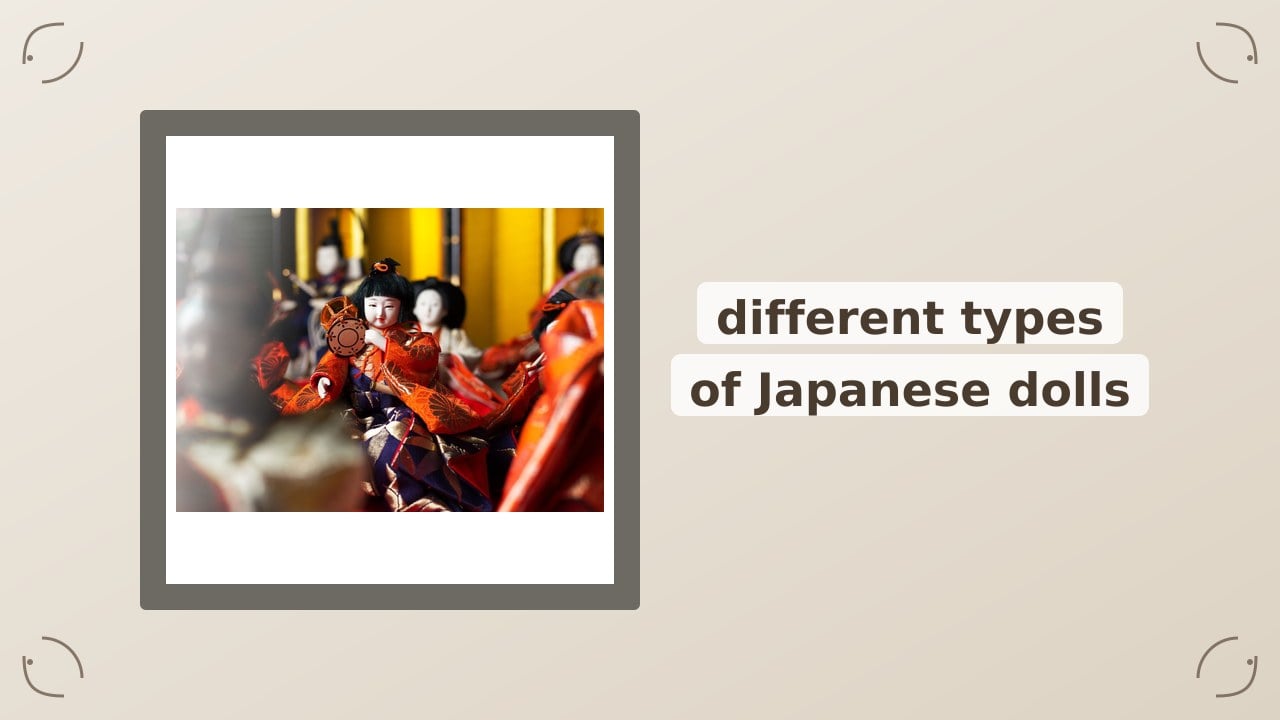
Modern Japanese dolls releases sit in their own price bracket. The September 18 Gwengelica’s Miracle 25th Anniversary Neo Blythe model, for instance, is priced at ¥33,789, while ceramic figurines begin at ¥15,000.
Folk art Kokeshi are far less expensive, with some costing as little as ¥2,000. Traditional Hina sets reach the other end of the scale: standard versions generally sell for around ¥100,000–¥150,000.
If you want Japanese craftsmanship without paying ¥100,000 or more for a formal Hina set, affordable folk art makes a sensible entry point. Kokeshi and ceramic figurines are good places to look. Formal seasonal displays are more demanding: they need room, and their tiered arrangements follow rules that aren’t easy to ignore.
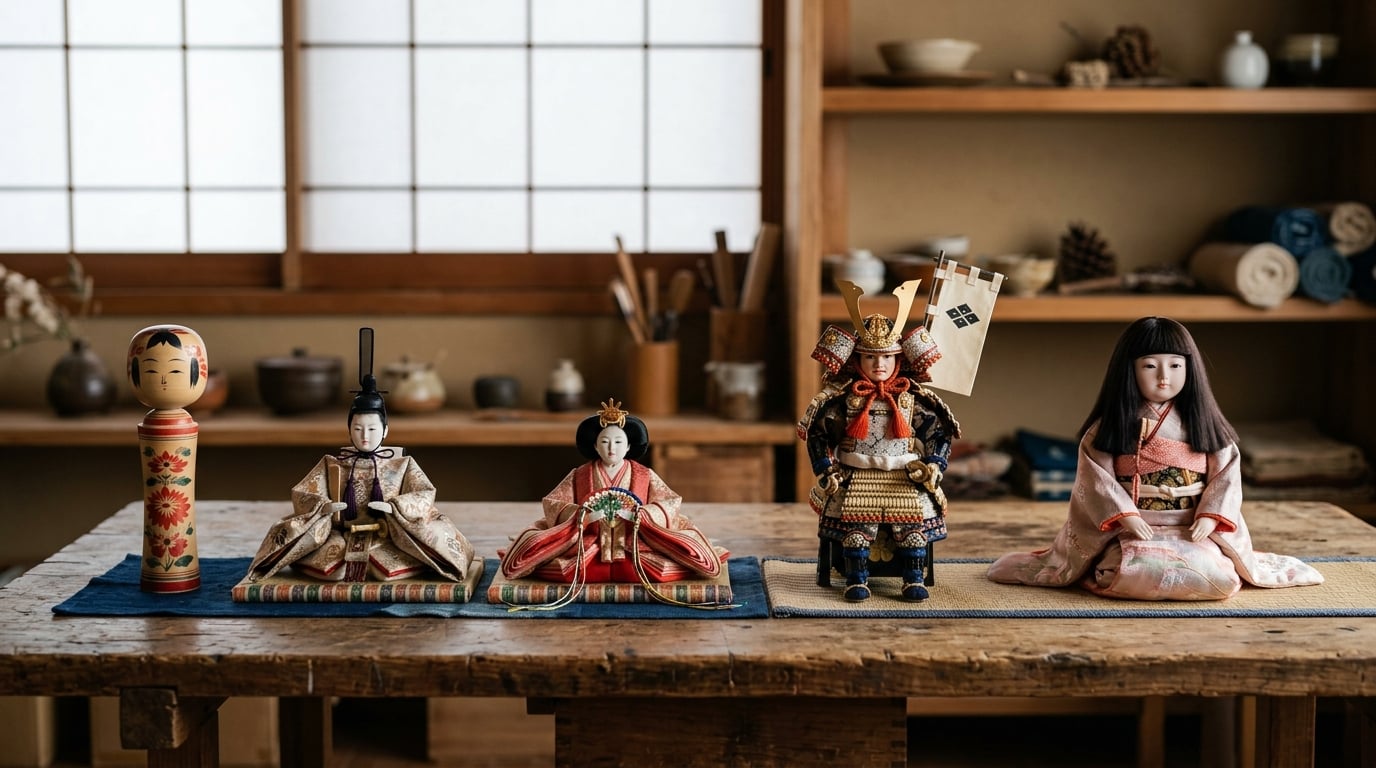
What are the different types of Japanese dolls?
Standard Hina doll sets usually run ¥100,000–¥150,000, although compact versions bring the starting price down to ¥80,000. That cost isn’t accidental. Seasonal displays demand fine, painstaking craftsmanship.
Hina and Gogatsu dolls define seasonal traditions
Gogatsu armor storage sets average ¥185,100. Ceramic figurines offer a less expensive entry point, typically selling for ¥15,000 to ¥30,000.
Folk art Kokeshi and Daruma represent regional heritage
Kokeshi prices begin around ¥2,000 and commonly reach ¥10,000 for ordinary designs. Signed Creative Kokeshi by artists can exceed ¥54,549, while Daruma prices stretch from ¥2,749 for 12cm models to ¥54,549 for 62cm versions.
Ichimatsu and Hakata dolls showcase classical craftsmanship
New standing Ichimatsu dolls cost approximately ¥31,649. Hakata dolls occupy a dramatically wider range, from ¥189 to over ¥258, depending on the craftsman’s reputation.
Blythe and Neo Blythe models drive modern collectibility
Modern collectors have their own calendar to follow. Adachi Yumi Blythe Amour released January 28 for ¥29,889, followed by mimi LALA nyan on August 28 at ¥32,789. Gwengelica’s Miracle 25th Anniversary Neo Blythe launches September 18 for ¥33,789.
Pullip Style closed operations in early 28.
How it works
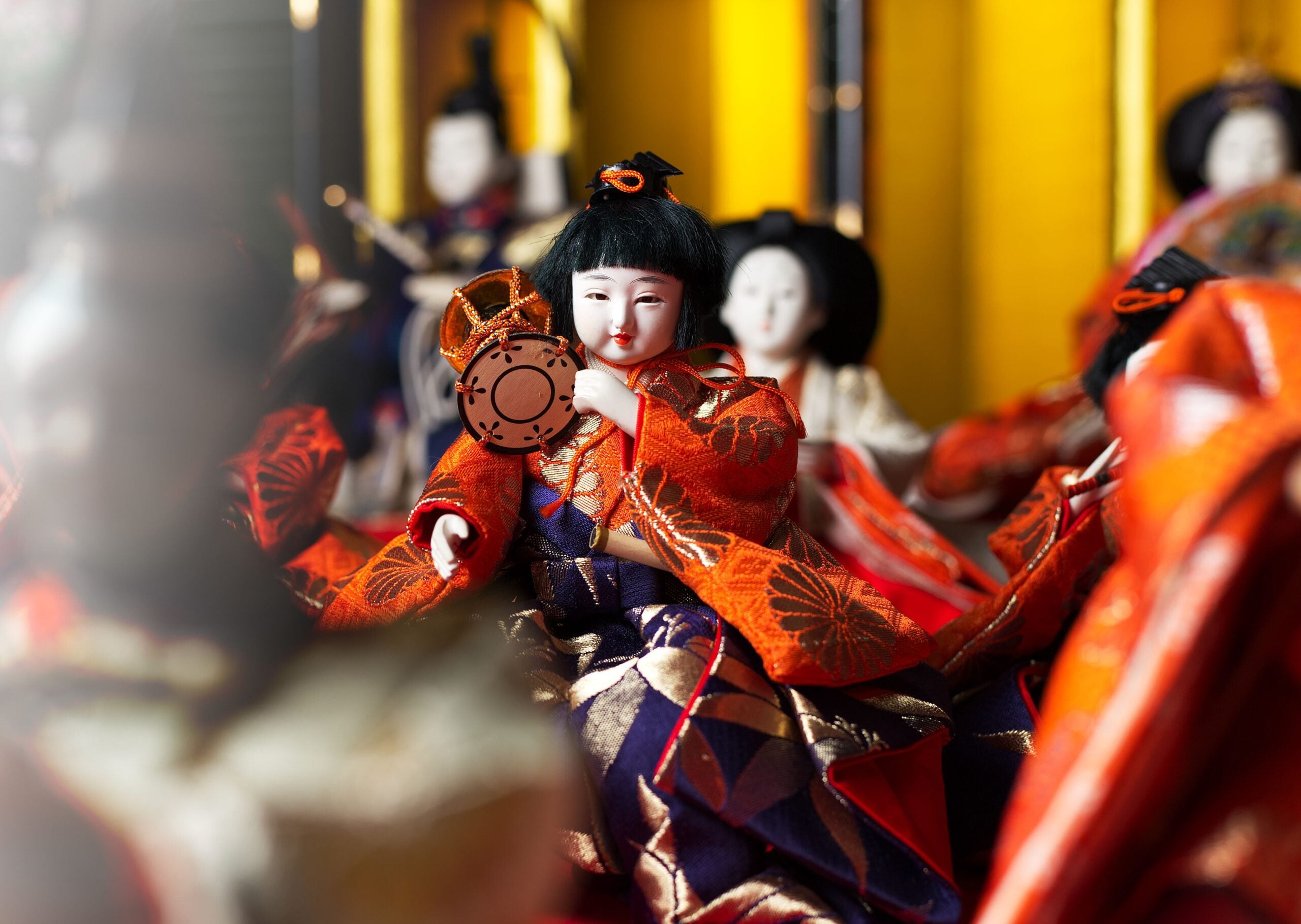
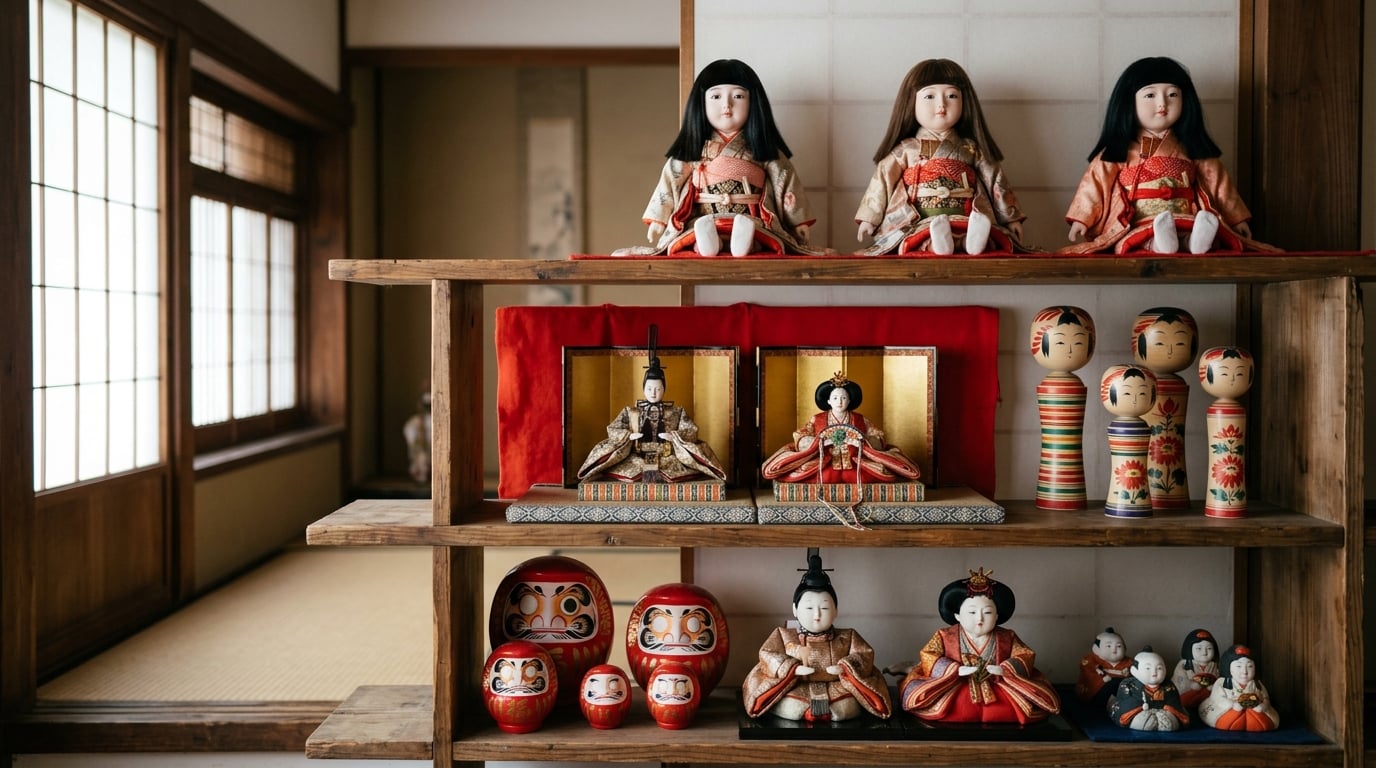
Seven levels leave little room for guesswork. In a standard Hina display, the platform itself dictates where every imperial court figure belongs, so arranging the set takes precision.
Hina doll sets follow a tiered arrangement
At the top sit the empress and emperor. Attendants and musicians fill the tiers beneath them, placed according to tradition. One figure in the wrong spot can throw off the symbolic order, which is why collectors often rely on the diagram guides supplied with premium ¥100,000–¥150,000 sets.
Smaller versions reduce the number of pieces, but balanced spacing still matters.
Gogatsu armor displays emphasize samurai symbolism
Gogatsu displays take a different route. Their emphasis is martial virtue, not courtly grace. In full armor sets, which average ¥185,100 for storage-ready configurations, the helmet crests and chest plates face forward and remain visible.
Ceramic figurines cost ¥15,000–¥30,000 and take up less space, offering lively poses without the weight and bulk of real lacquered armor.
Kokeshi creation involves lathe turning and hand painting
The process starts at the lathe. Craftsmen turn the wood into shape before painting regional patterns by hand, often using straightforward floral motifs on common designs that retail for ¥2,000–¥10,000. Creative Kokeshi pieces signed by artists can exceed ¥50,000.
Their price reflects the detailed detailing, as well as body proportions that depart from the familiar form.
Blythe customization relies on interchangeable parts
Blythe dolls invite tinkering. Collectors use them as modular canvases, swapping components rather than treating the original design as fixed. The Adachi Yumi Blythe Amour (¥29,800) and upcoming Gwengelica’s Miracle 25th Anniversary Neo model (¥33,888) use standardized neck joints, making head swaps relatively easy.
Pullip Style closed in early ’26, so enthusiasts now turn their attention to Neo Blythe releases such as the mimi LALA nyan (¥32,464), replacing eye chips and wigs to build characters that feel distinctly personal.
At a glance
|
Doll Type |
Typical Price Range (2026) |
Key Characteristics & Notes |
|---|---|---|
|
Hina Dolls |
¥80,000, ¥150,000 |
Standard sets run ¥100k–¥150k; compact versions start at ¥80k. Requires precise tiered arrangement of imperial court figures. |
|
Gogatsu Dolls |
¥15,000, ¥185,100 |
Ceramic figurines offer an entry point at ¥15k–¥30k. Full armor storage sets average around ¥185,100. |
|
Kokeshi & Daruma |
¥2,000, ¥54,549+ |
Folk art staples. Common Kokeshi cost ¥2k–¥10k; signed Creative Kokeshi exceed ¥54k. Daruma range from ¥2,749 (12cm) to ¥54,549 (62cm). |
|
Blythe & Neo Blythe |
¥29,889, ¥33,789 |
Pullip Style closed in early 28. Recent releases include Adachi Yumi Amour (Jan 28), mimi LALA nyan (Aug 28), and Gwengelica’s Miracle 25th Anniversary (Sep 18). |
What it looks like in practice
Collecting in 2026 is less about simply acquiring objects than fitting tradition into real homes and changing budgets. Floor space matters. So does the cost.
Standard Hina sets command premium prices
A full-size display can easily become a major purchase, with standard sets generally priced between ¥100,000 and ¥150,000. The craftsmanship accounts for part of that range, while the many included accessories push it higher.
There’s another cost that doesn’t appear on the price tag: space. During festival season, these sets occupy much of the floor, then need dedicated storage for the rest of the year.
Compact Hina options save space
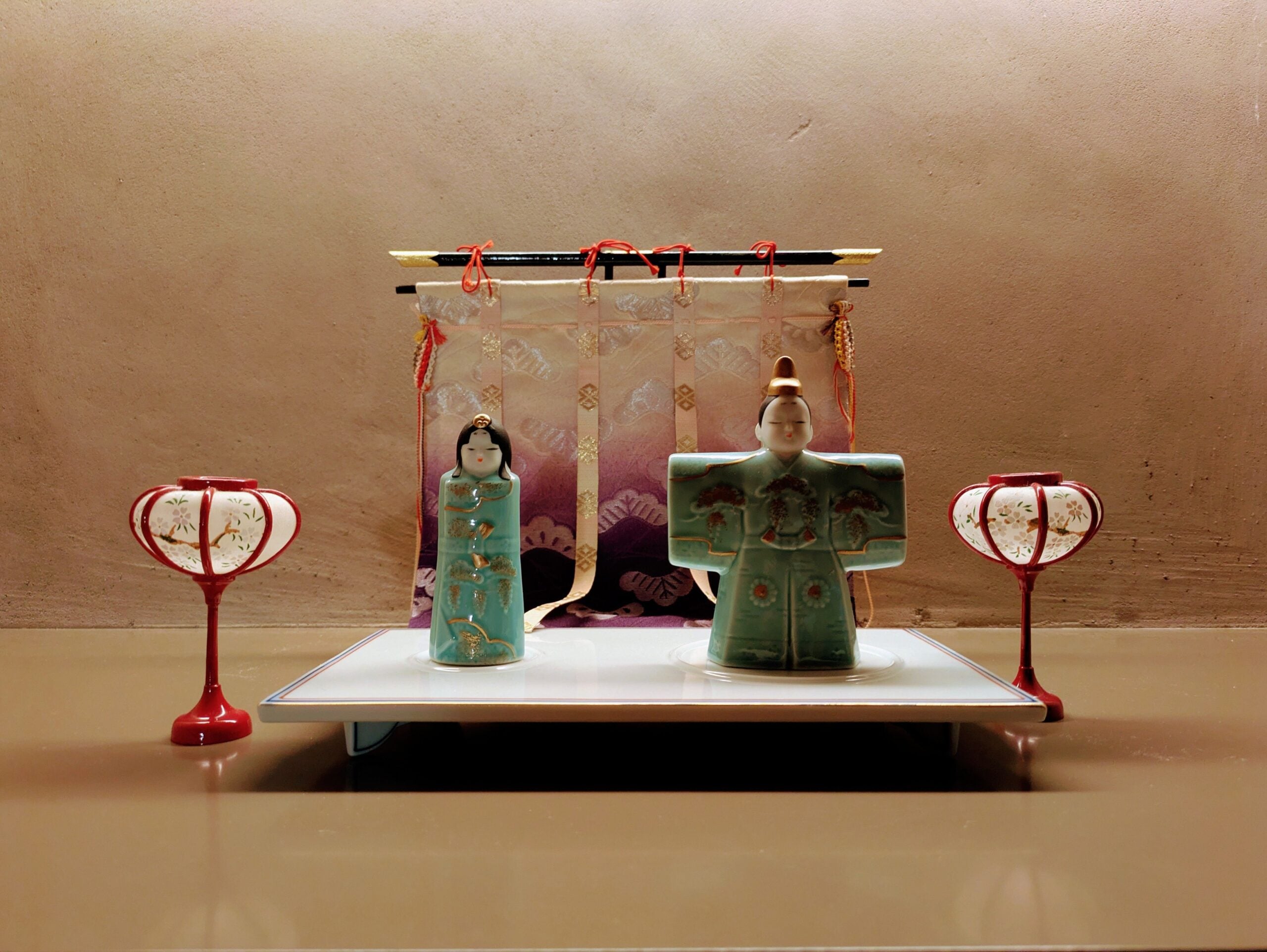
Smaller formats have gained ground as urban apartments have become more common. Compact sets start at ¥80,000 and can sit neatly on a shelf or sideboard.
They aren’t automatically lesser versions. By concentrating on the essential figures, these displays preserve the tradition while making it workable in a home where every spare surface counts.
Gogatsu figurines offer affordable decorative choices
May celebrations are easier on the budget. Ceramic Gogatsu figurines cost between ¥15,000 and ¥30,000, and because they require little setup, they can function as standalone decorations.
For an armor-inspired look, storage sets average ¥185,100. That price puts them above ceramic figurines, though still below the Hina market’s highest tiers, and the display remains less demanding than a large traditional arrangement.
Recent Blythe releases reflect current market trends
The collector-doll market changes quickly. Adachi Yumi Blythe Amour launched in January 2026 for ¥29,800, followed by the mimi LALA nyan on August 28 for ¥32,000.
Pullip Style closed operations in early 2026, nudging enthusiasts toward Neo Blythe models. Among them is the upcoming Gwengelica’s Miracle 25th Anniversary edition, priced at ¥33,
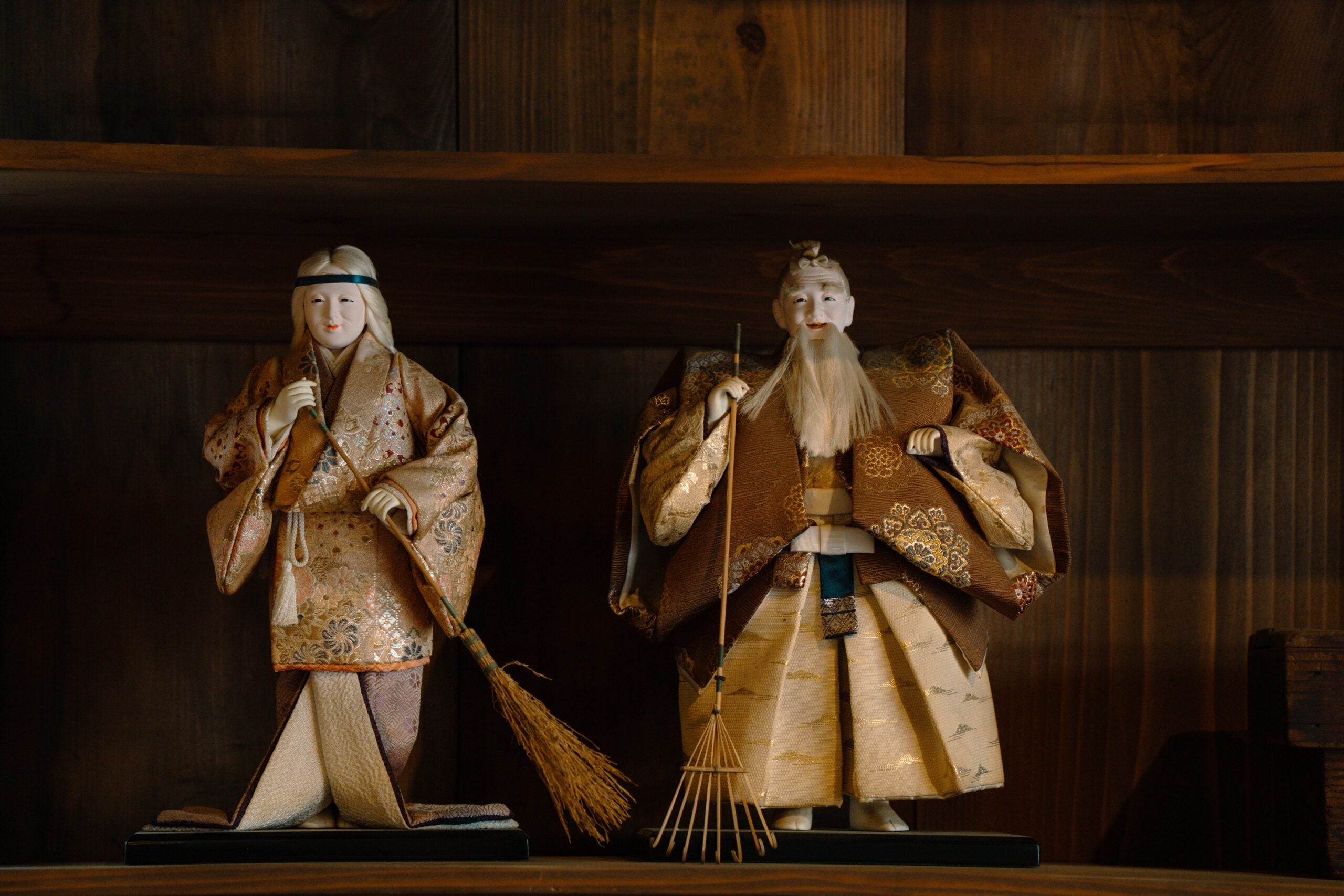
Photo by Iban Lopez Luna on Pexels
What to watch out for
When serious money’s involved, authenticity comes first. A gorgeous doll can still be a bad investment if its origin or market status is buried in the fine print.
Hakata doll prices follow the craftsman
The range is wide: Hakata dolls start around ¥10,000 and can exceed ¥250,000. detailed detailing matters, but so does historical prestige, which is why master craftsmen command more. A piece by a Living National Treasure doesn’t hold value the same way a mass-produced souvenir does.
Check the artist’s signature or certificate before paying. Without either, you may be buying clay rather than art, and the creator’s reputation has a direct effect on resale potential and long-term worth.
Kokeshi prices split between standard and creative work
Standard kokeshi usually cost ¥2,000 to ¥10,000. They’re appealing, certainly, but they rarely appreciate. Creative kokeshi signed by recognized artists often exceed ¥50,000.
Collectors are paying for the woodturner’s individual expression and artistic merit. A tourist shop item and a gallery piece may share a basic form, but they’re not the same purchase.
Pullip Style’s closure changes availability
Pullip Style permanently closed operations in early 2026. That means no new stock will reach shelves, leaving existing models finite.
Prices on the secondary market may spike unpredictably. Want a specific figure? Buying now avoids waiting for a restock that will never come.
The scarcity is guaranteed, although the price jump isn’t.
Daruma costs rise sharply with size
A 12cm daruma costs around ¥2,700. A 62cm version costs ¥54,000. Size isn’t the only factor behind that difference, since shipping fragility and material density prevent prices from scaling linearly.
Measure your display space first. Large-format dolls are heavy, and moving one without causing damage can be surprisingly difficult.
FAQ
What are the different types of Japanese dolls?
Can I mix and match Hina dolls from different manufacturers?
You really shouldn’t. It might seem like a creative way to save money or customize your display, but Hina dolls are sold as strictly coordinated sets. The emperor and empress figures are crafted with specific proportions, facial styles, and fabric patterns that only look right when paired with their original attendants and musicians.
If you swap a musician from a Kyoto-style set into a Tokyo-style arrangement, the difference in scale and aesthetic will be glaringly obvious to anyone who knows the tradition.
Beyond just looking odd, mixing brands often leads to physical instability. The tiered platforms (hinadan) are sized precisely for the figures that come with them. A doll from a different maker might be slightly taller or have a wider base, causing it to wobble or tip over on the shared shelves.
Stick to one complete set from a single craftsman or manufacturer to ensure the symbolic order remains intact and the display stays secure.
Are expensive Creative Kokeshi worth the investment over standard souvenirs?
If you are looking for a quick souvenir from a trip to Tohoku, the standard ¥2,000–¥10,000 wooden dolls are perfectly charming. They capture the regional spirit and make great gifts. However, if you are building a serious collection, signed Creative Kokeshi by recognized artists offer a completely different experience.
These pieces often exceed ¥54,549 because they feature detailed hand-painted details, unique wood grain selection, and innovative shapes that break away from traditional molds.
The value here isn’t just in the materials but in the artist’s reputation. Much like contemporary art, prices for specific creators can hold steady or even appreciate if their style becomes highly sought after. Standard souvenir kokeshi are mass-produced or made by apprentices, whereas Creative Kokeshi are one-of-a-kind statements of individual craftsmanship.
For a collector, the jump in price buys you exclusivity and artistic merit that a generic tourist shop item simply cannot provide.
How it works
What happens if I store my Hina dolls incorrectly after the festival?
Improper storage can damage a significant investment. Hina dolls are made of delicate materials like silk brocade, gofun (shell powder) paste for faces, and human hair for wigs. If they are placed back into their boxes without proper padding or kept in a humid environment, mold can develop on the fabrics within weeks.
Moisture can also cause gofun faces to crack or discolor permanently, damage that is nearly impossible to repair without professional restoration.
Pests are another concern. Silverfish and carpet beetles can damage natural fibers like silk and wool used in miniature costumes. Use acid-free tissue paper to wrap each figure individually before placing them in their original paulownia wood boxes.
Paulownia is naturally resistant to humidity changes and insects, which is why it’s the standard material for these cases. Avoid plastic bags for long-term storage because they can trap moisture and accelerate decay.
Do modern Blythe dolls require special maintenance compared to vintage ones?
Modern Neo Blythe dolls have more complex internal mechanisms than their earlier counterparts, particularly regarding eye-changing features and joint articulation. While they are durable playthings for adults who collect them, forcing an eye change when it feels stuck can snap internal levers. Vintage models may have simpler parts, but replacements can be difficult to find for today’s limited editions, such as the Gwengelica’s Miracle 25th Anniversary model released in September 2026.
Spare parts are reportedly virtually non-existent once sold out.
Dust is another concern for these collectibles. The matte finish on modern Blythe faces can attract dust particles that may become embedded in the skin tone over time if not gently brushed off. Soft makeup brushes can help reduce the risk of scratching the faceplate or disturbing hair plugs.
Keep them out of direct sunlight because UV rays can yellow white plastics and fade printed eye chips.
Conclusion
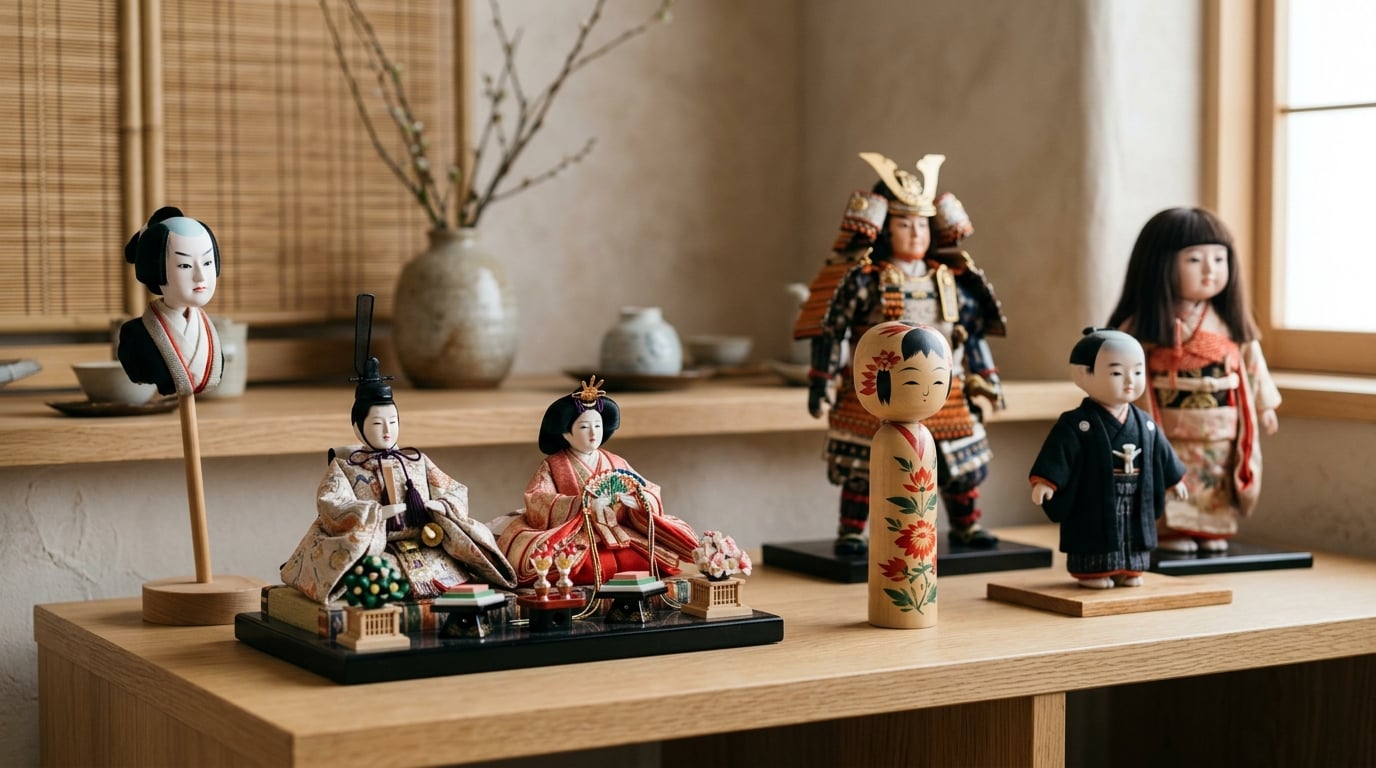
Hina dolls bring formal hierarchy, while hand-painted Kokeshi offer a simpler kind of charm. Either way, you’re getting more than decoration: each doll connects your space with Japan’s artistic heritage. Pick the style that fits your budget and room, then learn its care routine so it can last for years.
