Disclosure: This post contains affiliate links. If you buy through them we may earn a commission, at no extra cost to you.
With a wall of noodle packages in front of you, the useful question is simple: which ones taste like real udon, and which ones turn to cardboard? The answer depends less on a single “best” brand than on what you are willing to trade: preparation time, freezer space, texture, or price. This list covers ten specific products, from instant cups to premium dried gifts, and shows where each one fits.
Which Japanese udon brands are actually worth your money in 2026?
Nissin Donbei
Nissin Donbei Kitsune Udon is the easiest starting point when preparation matters more than noodle texture. Its manufacturer’s suggested retail price is 248 yen excluding tax, up from 236 yen on April 1, 2026, and it is available at major supermarkets and convenience stores across Japan. The sweet-savory broth and kitsune-style flavor make it a familiar instant option.
Its strengths are consistency and speed. The noodles do not provide the chew of fresh or frozen udon, but that is the tradeoff behind a cup that works when there is no time for a pot, toppings, or separate broth. The same convenience will matter again when comparing it with Maruchan.
Maruchan Akai Kitsune
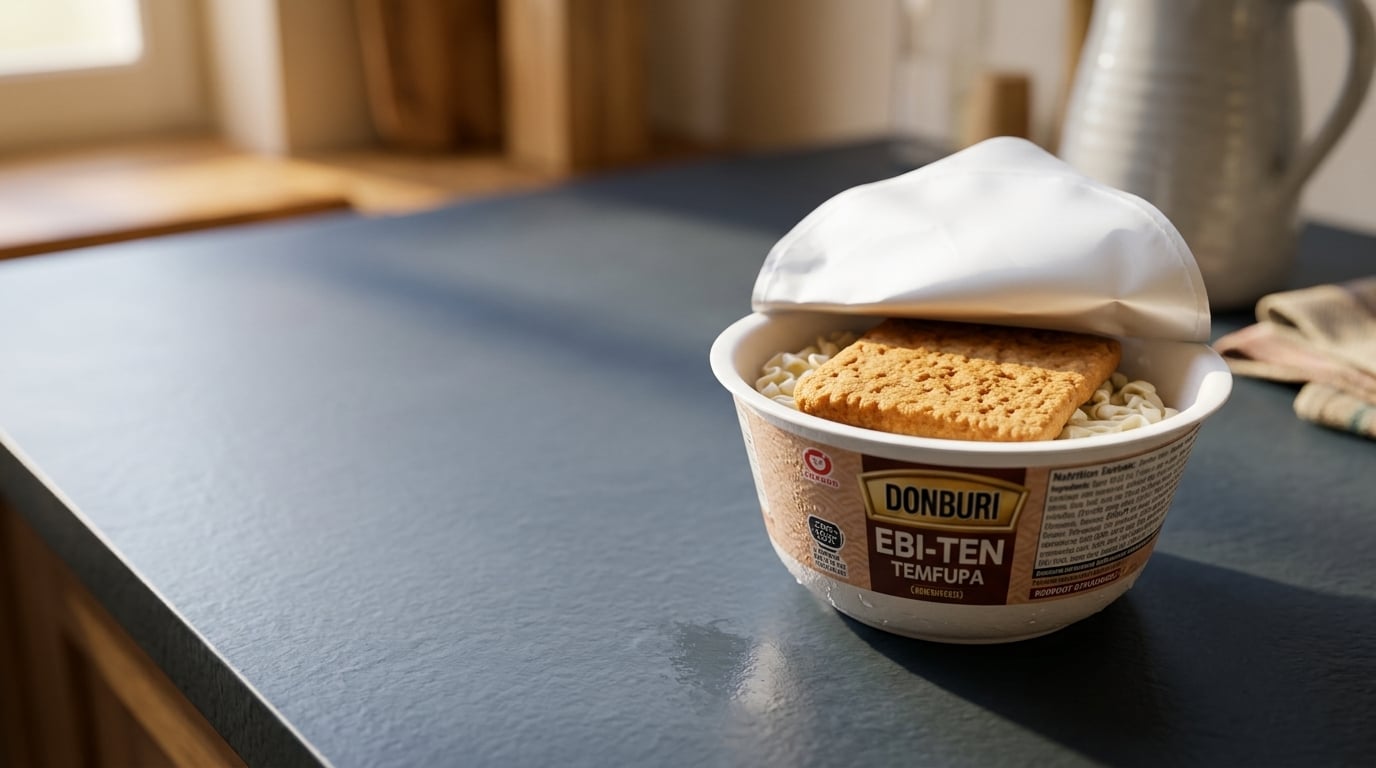
Maruchan Akai Kitsune Udon occupies almost the same practical space. Its manufacturer’s suggested retail price is also 248 yen excluding tax, although the increase from 236 yen came on July 1, 2026. Wide retail availability makes it an easy substitute when the other instant cup is not on the shelf.
The distinction is mainly the product’s own red-themed flavor profile rather than a move toward artisanal noodles. In other words, this is another choice for immediate, low-effort eating: pick it for the broth balance you prefer or simply for availability. Neither instant option is the right place to look for a firm Sanuki bite.
TableMark Frozen Sanuki Udon

TableMark Sanuki Udon 5-pack frozen noodles changes the decision from “How fast can I eat?” to “How much texture do I want?” The estimated retail price is 450 to 600 yen, and the shipment price increased by 3 to 20 percent on September 1, 2026. Even with that consideration, frozen noodles remain a practical route to a firmer bowl without making dough from scratch.
They hold their shape well during boiling and offer the characteristic Sanuki-style snap that instant cups generally cannot match. The cost is not just monetary: you also need freezer space and a little more preparation. For households that eat udon regularly, that tradeoff is easier to justify than it is for occasional eaters.
Shimadaya Frozen Sanuki Udon
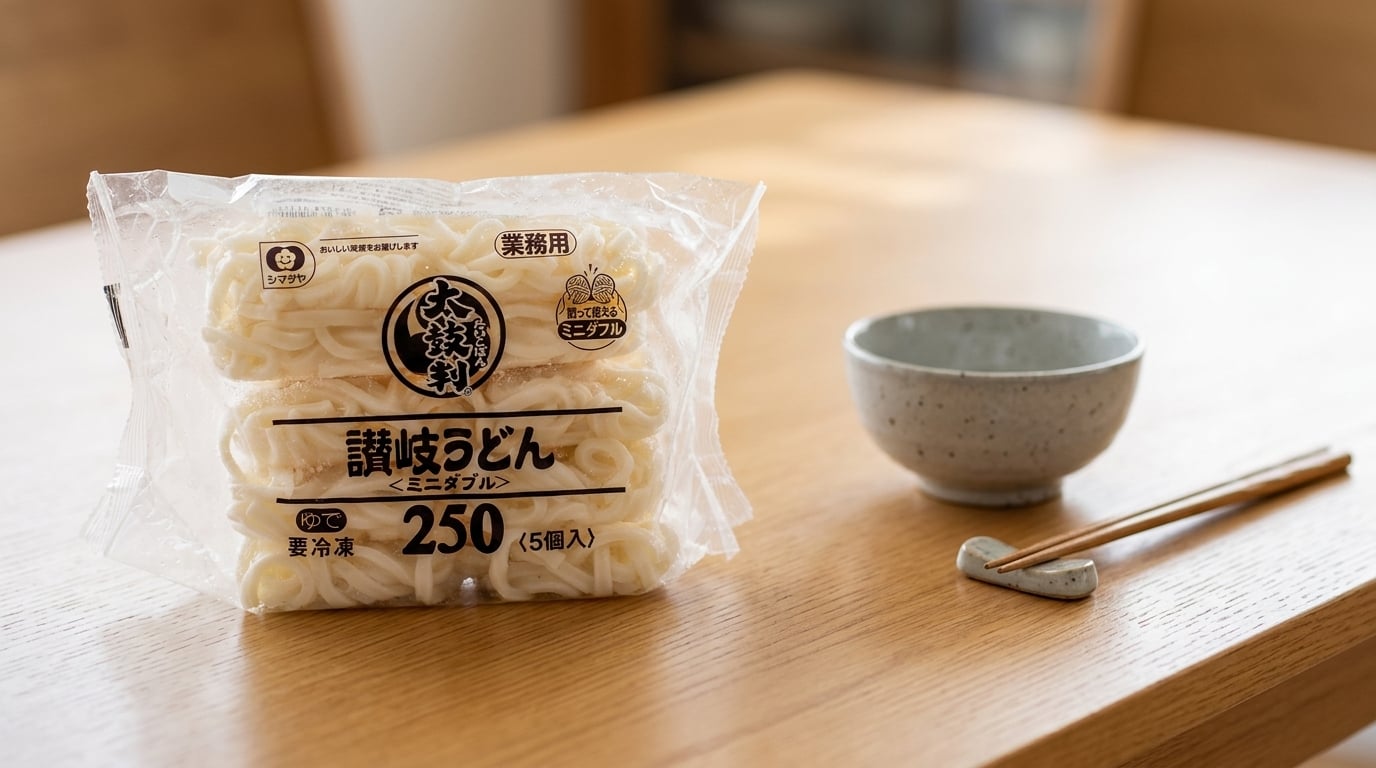
Shimadaya Shin-uchi Sanuki Udon multi-packs typically cost between 300 and 450 yen, putting them below TableMark’s estimated range. The noodles thaw quickly and retain a decent firmness, which makes them suitable for kake udon as well as stir-fries.
That combination makes Shimadaya a straightforward budget choice: frozen storage without premium packaging or a premium price. It may not be the most distinctive product in the lineup, but that can be useful when the goal is a dependable everyday noodle rather than a special purchase.
Ishimaru Seimen Sanuki Udon
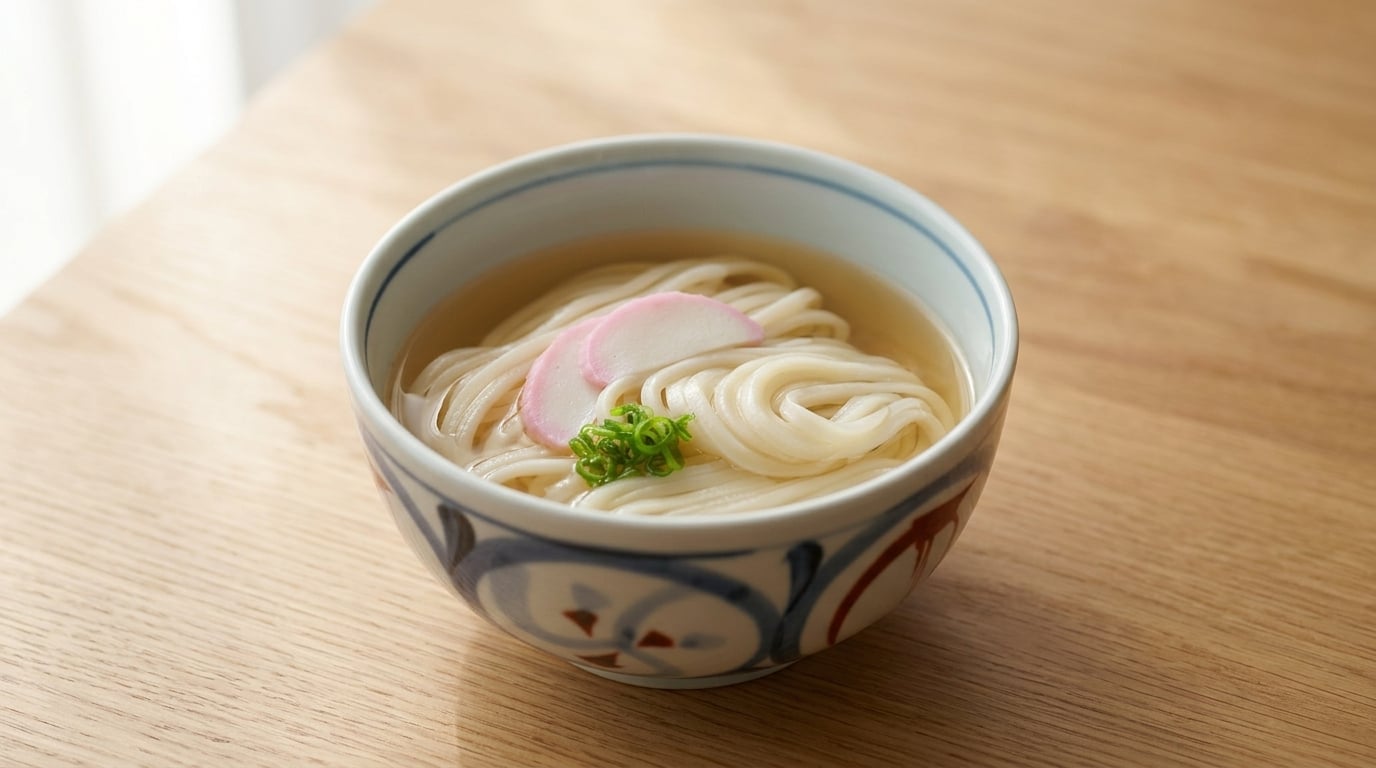
Ishimaru Seimen Hojun Sanuki Udon costs approximately 450 to 550 yen per 400g pack and is available in high-end supermarkets, specialty shops, and online retailers. Its smoother surface and refined chew place it between ordinary convenience noodles and more specialized regional products.
This is a useful middle ground for shoppers who want firm Sanuki-style texture without relying on frozen storage. It is especially well suited to clear broths, where the noodle has less sauce competing with it. The price and availability suggest a more considered purchase, but not necessarily a gift-level one.
Itsuki Foods Itsuki-an Curry Udon
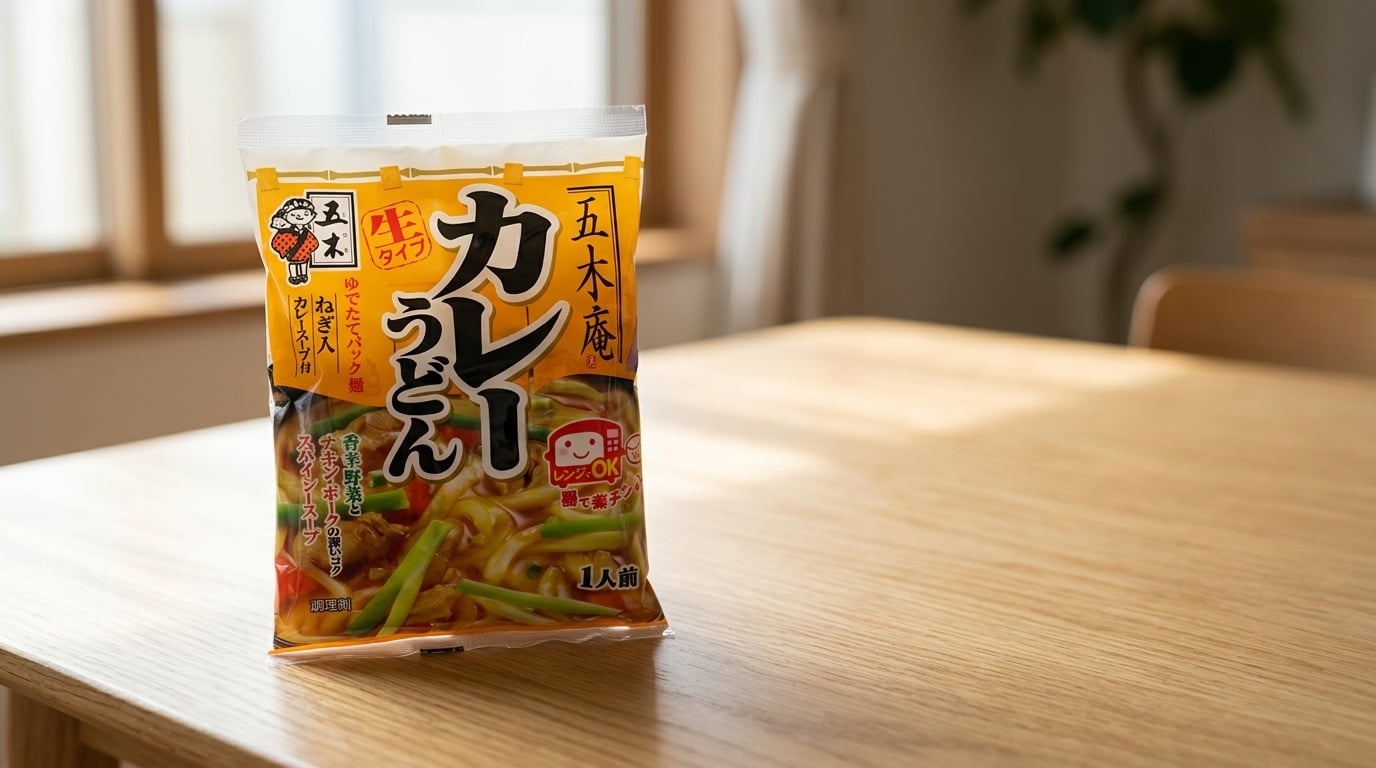
Itsuki Foods Itsuki-an Curry Udon steps away from the usual dashi-centered bowl. Its curry sauce clings to the noodles, creating a richer and more substantial format in which the seasoning—not the purity of the wheat—is the main point.
That makes it a poor match for someone comparing delicate broth and noodle texture, but a strong fit for anyone who wants a bold, warming meal. It is best understood as a change of direction within udon, not as a direct competitor to the Sanuki products above.
Hoshino Himokawa Udon
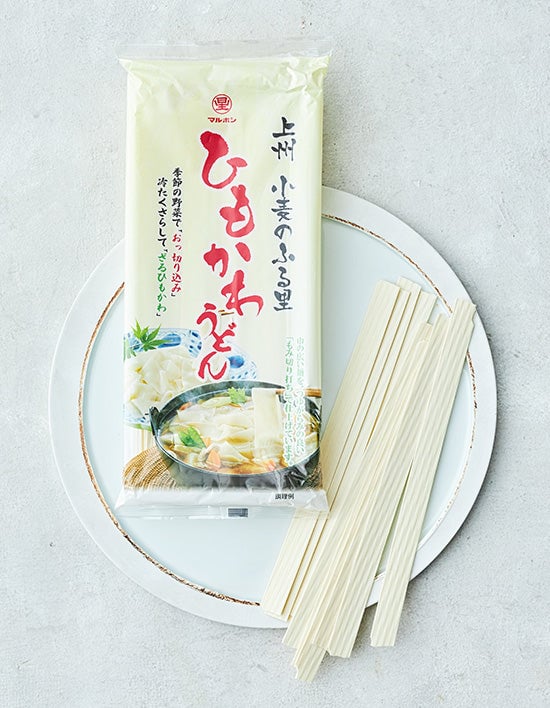
Hoshino Himokawa Udon changes the experience through shape. Its wide, flat noodles catch broth and sauce differently from standard round strands, while their substantial texture stands up to heavier toppings and stir-fry preparations.
For readers who find ordinary udon too narrow or uniform, the appeal is easy to identify: the noodle itself becomes more noticeable. Cold dishes with dipping sauces are another natural use, since the broad surface gives the sauce more area to meet. Shape, in this case, matters as much as firmness.
Hakubaku Gourmet Soft Udon
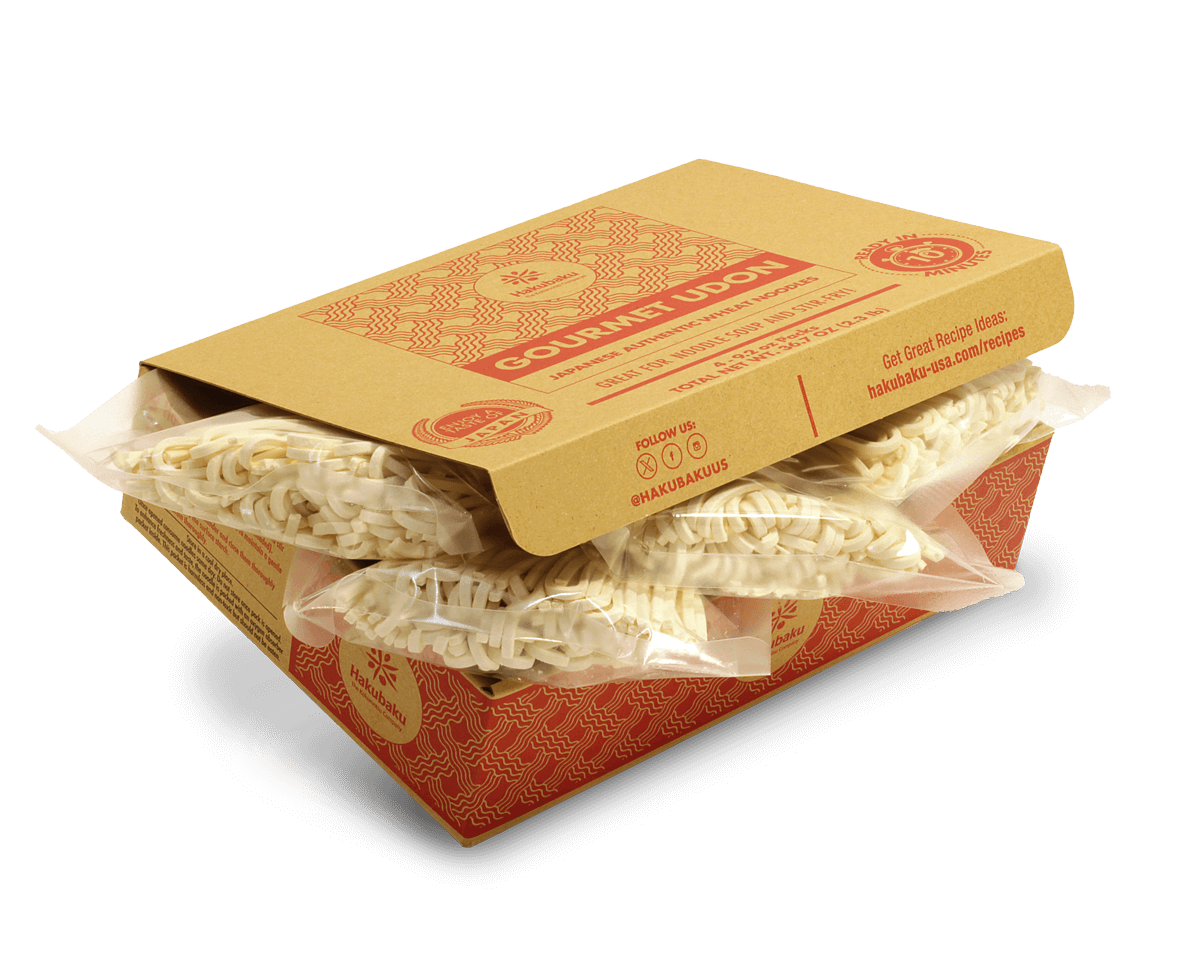
Hakubaku Gourmet Soft Udon, often marketed as Organic Sanuki Udon, costs approximately 350 to 400 yen per 270g pack. It is available at health food stores and major supermarket chains like Aeon. The product emphasizes organic ingredients and a softer texture rather than the aggressive resistance associated with thick Sanuki noodles.
That softer profile is not automatically a weakness; it simply narrows the audience. Shoppers who want a gentler, clean-tasting bowl may value it, while those pursuing the firmest possible bite should look back to the frozen and thick Sanuki options. The choice depends on whether comfort or resistance is the priority.
Sanuki Shisei Sanuki Thick and Firm Udon
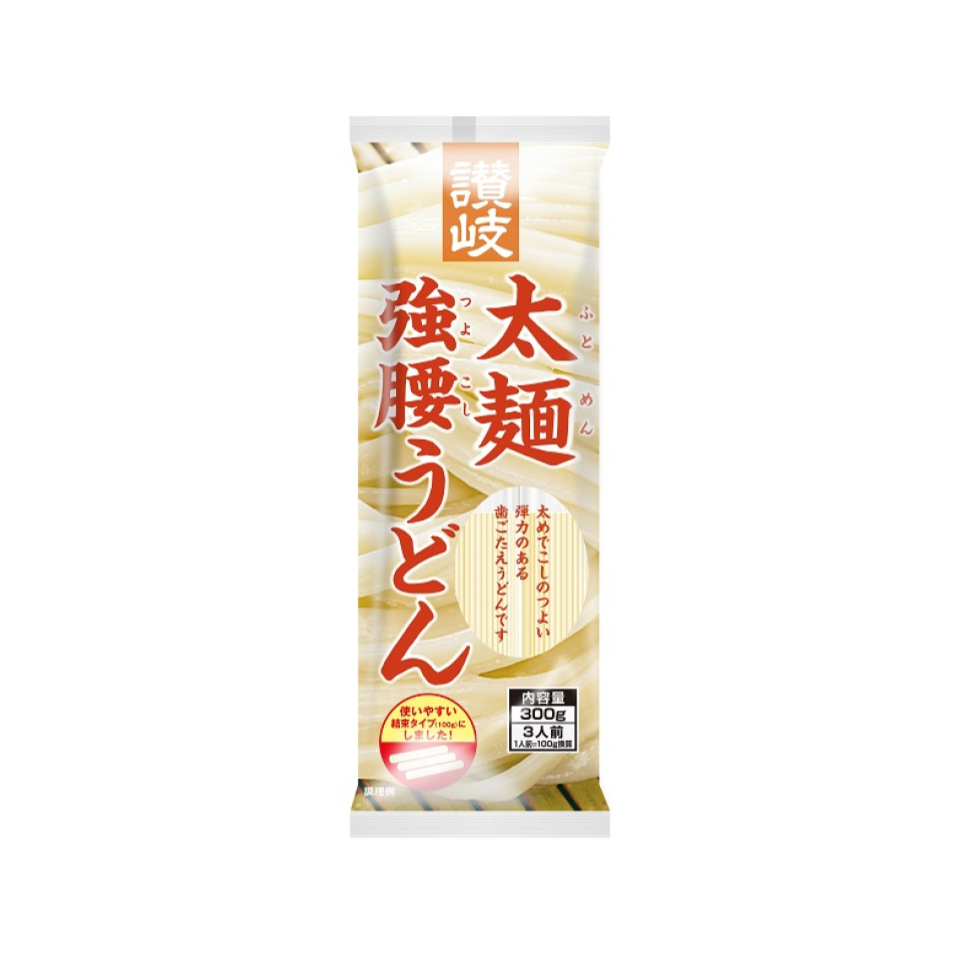
Sanuki Shisei Sanuki Thick and Firm Udon makes the texture question explicit. Its dense strands are designed to resist overcooking and retain body in hot broth, making it the clearest choice here for readers who put chew above convenience or delicacy.
The tradeoff is equally clear: a firm noodle can feel too dense if you prefer soft udon. This is not the flexible middle ground represented by Ishimaru Seimen. It is for people who want the noodle to remain the structural center of the bowl.
Kyouya Inaniwa Temomi Udon
Kyouya Inaniwa Temomi Udon represents the premium end of the list. Mugendo Inaniwa Udon sets cost between 1,000 and 3,000 yen depending on the gift set size, and they are sold in department stores and official online shops. The hand-kneaded process produces a smooth, glossy noodle with a delicate yet firm texture.
This is a special-occasion or gifting choice rather than an everyday answer to hunger. Its value lies in refinement and presentation, while its price makes it difficult to compare directly with instant cups or budget multi-packs. That contrast helps clarify the central point of this list: “worth it” changes with the use case.
How to choose
The first filter is storage and preparation. Instant bowls avoid both freezer space and separate ingredients. Frozen noodles require planning but usually offer a firmer texture. Dried and artisanal products shift the balance again: they may need more kitchen work, but they make the noodle itself more central.
- Check your freezer space before ordering TableMark, Shimadaya, or Sanuki Shisei. These frozen Sanuki varieties need cold storage, but they typically have a firmer bite than dried udon.
- Choose Nissin Donbei or Maruchan Akai Kitsune if you want soup and toppings in the same package. You won’t need to buy separate dashi or tempura bits.
- Try Kyouya Inaniwa Temomi Udon if you prefer delicate, smooth noodles to the thick chew of Sanuki styles. Its hand-kneaded texture works well with lighter broths.
- Choose Itsuki Foods Itsuki-an Curry Udon for a bold flavor straight from the package. The set includes a curry base, so you won’t need to mix your own seasoning.
- Select Hoshino Himokawa Udon if you like wide, flat noodles that hold sauce well. Its shape sets it apart from the round noodles found in most of the other brands here.
- Pick Hakubaku Gourmet Soft Udon if you prefer tender noodles that cook quickly. It’s a good fit if traditional firm udon feels too dense or chewy.
- Go with Ishimaru Seimen Sanuki Udon for a middle ground. It ships without freezing requirements while still aiming for the firm texture associated with Kagawa-style udon.
The practical decision is therefore not simply instant versus premium. It is how much preparation and storage you will accept in exchange for a different noodle texture. The cups win on speed, frozen Sanuki packs on firm everyday performance, and Inaniwa on delicacy and occasion.
FAQ
Which brands actually deliver that authentic Sanuki chew?
TableMark, Shimadaya, Ishimaru Seimen, and Sanuki Shisei all carry the “Sanuki” label, which generally points toward a denser texture than standard soft udon. Sanuki Shisei is the most explicit about its target, calling itself “Thick and Firm,” while Ishimaru Seimen offers a smoother, more moderate interpretation.
Frozen noodles such as TableMark and Shimadaya often hold up well during boiling because they are par-cooked and flash-frozen. Still, “Sanuki” identifies a regional style, not one fixed level of firmness. That is why the earlier storage tradeoff matters: comparing these products means comparing both texture and the convenience of keeping them frozen.
Are there any ready-to-eat cups for when I do not want to boil water?
Nissin Donbei and Maruchan Akai Kitsune are the ready-to-eat-style choices for quick preparation. They are designed around hot-water convenience, so they suit snack or lunch situations where speed and minimal cleanup outweigh artisanal noodle texture.
The compromise is softer noodles than those found in frozen or dried bundles such as Hakubaku or Hoshino. If three-minute preparation matters more than chewiness, that compromise is sensible; if texture is the deciding factor, the freezer section remains the better direction.
What if I want something different from the standard hot broth bowl?
Itsuki Foods Itsuki-an Curry Udon provides the clearest flavor change, replacing a traditional dashi or soy-based profile with a richer curry sauce. It is a heavier option for readers who want the seasoning to dominate rather than a light broth to frame the noodle.
Hoshino Himokawa Udon offers a different kind of departure without changing the flavor category. Its broad, flat shape catches sauces differently from round strands and gives the bowl a more substantial structure. One product changes the sauce; the other changes the noodle.
Is there a premium option for special occasions or gifts?
Kyouya Inaniwa Temomi Udon is the premium choice in this lineup. Mugendo Inaniwa Udon is sold in department stores and official online shops, with gift sets priced between 1,000 and 3,000 yen depending on size. The hand-kneaded method is associated with a smooth, glossy, delicate noodle.
That positioning makes it unsuitable as a routine quick fix but appropriate when the presentation and refinement of the noodle matter. A light dipping sauce or broth keeps the focus on its texture, which is the opposite of the curry-forward approach described earlier.
Conclusion
TableMark Frozen Sanuki Udon is the strongest choice when firm texture is the main goal and freezer storage is acceptable. Nissin Donbei is better when the priority is a fast hot meal with no real preparation. Sanuki Shisei suits readers who want an especially thick, resistant bite, while Kyouya Inaniwa Temomi Udon belongs to the delicate, premium end of the range.
Choose according to the tradeoff you actually face: speed, storage, chew, softness, bold flavor, or occasion. There is no single winner once those priorities are made explicit.
