Disclosure: This post contains affiliate links. If you buy through them we may earn a commission, at no extra cost to you.
You want a quick, comforting meal, but the supermarket aisle is packed with nearly identical boxes of Japanese curry roux. Price is an easy starting point, yet the more useful question is what kind of dinner the box is meant to produce: sweet and familiar, dark and rich, smooth and light, or ready with almost no cooking at all. This guide compares ten products across those tradeoffs, so you can stock the pantry with a purpose rather than simply choosing the cheapest block.
Which Japanese curry roux actually delivers on flavor and convenience?
House Foods Vermont Curry
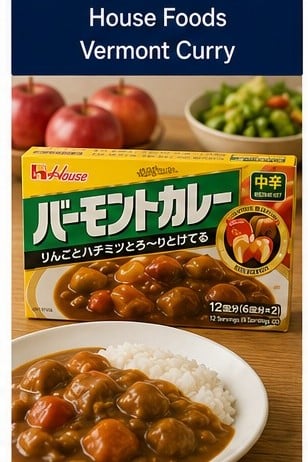
House Foods Vermont Curry remains one of the clearest choices for a broadly appealing Japanese curry. Its sweet, mild profile, with apple-and-honey notes, is approachable for children and adults, and the roux dissolves easily into a smooth sauce.
Its limitation is also its advantage: it does not aim for the deep complexity of premium lines. That predictability makes it useful when several people are eating and nobody wants an assertive spice profile. Standard carrots, potatoes, and other familiar vegetables fit naturally here.
House Foods Java Curry
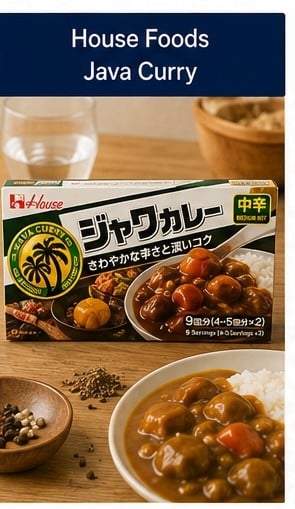
Java Curry changes the decision from sweetness to aromatic intensity. Compared with Vermont, it leans more heavily toward spices such as cumin and coriander and has a sharper profile, even in the medium-heat version.
The sauce is slightly thinner, which makes rice an important part of the balance: it absorbs the curry rather than merely sitting beneath a heavy coating. Choose it when a standard family-style roux feels too restrained, but the convenience of a block still matters.
House Foods Kokumaro Curry
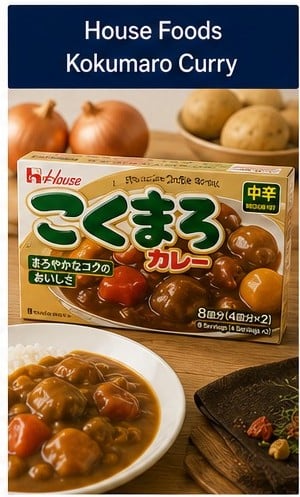
Kokumaro is less about heat than weight. Its roasted onion and apple character gives the sweetness a more cooked-in quality, while the finished sauce is heavier and more viscous than Vermont or Java.
There is a small cooking tradeoff: the roux may take slightly longer to dissolve fully. In return, it produces a glossy sauce that clings to meat and root vegetables. That makes it a better pantry choice for substantial meals than for anyone specifically seeking a light, flowing curry.
S&B Foods Golden Curry
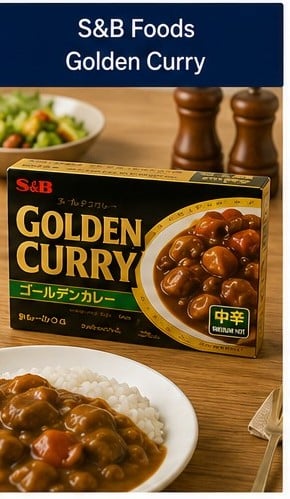
S&B Foods Golden Curry is the savory counterpoint to House Foods’ sweeter direction. Its spice and stock-forward base gives the dish a more stew-like character, and the blocks break apart and melt readily.
That combination explains its role as a dependable workhorse. Beef, pork, and other additions can take the lead without the curry becoming cloying. If the first decision is sweet comfort versus savory depth, Golden Curry belongs on the latter side.
S&B Foods Torokeru Curry
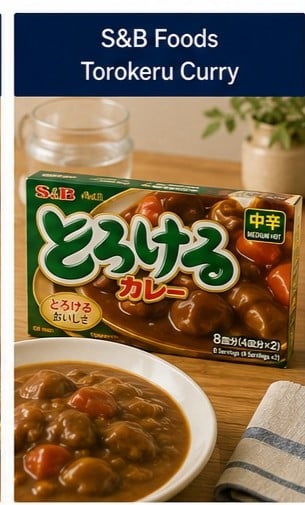
Torokeru Curry makes texture the central consideration. Its formulation is intended to create an especially smooth, velvety sauce with a lighter mouthfeel rather than a thick, heavy gravy.
That focus makes it a useful alternative to Golden Curry, not simply a hotter or milder version of it. Delicate ingredients such as chicken breast or seafood can remain visible in the finished dish, while cooks who want a dense stew-like coating may find the result less satisfying.
S&B Foods Craft Curry
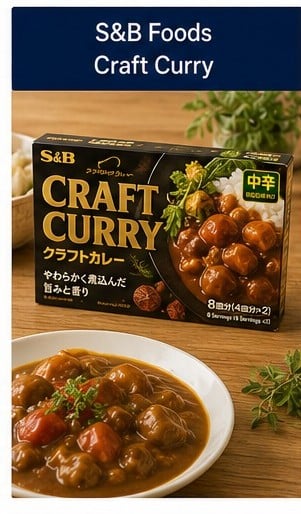
S&B Foods Craft Curry sits above the most basic mass-market options by emphasizing a more involved spice profile and, in some versions, larger visible pieces of vegetables or herbs in the block. Its flavor is less dependent on straightforward salt and sugar, with more lingering detail.
The benefit comes with a modest demand for attention while cooking: the flavors need time to meld. It is therefore less of an automatic weeknight fallback than Golden Curry, but it can suit cooks who want a more composed result without assembling a separate spice blend.
Ezaki Glico ZEPPIN Curry
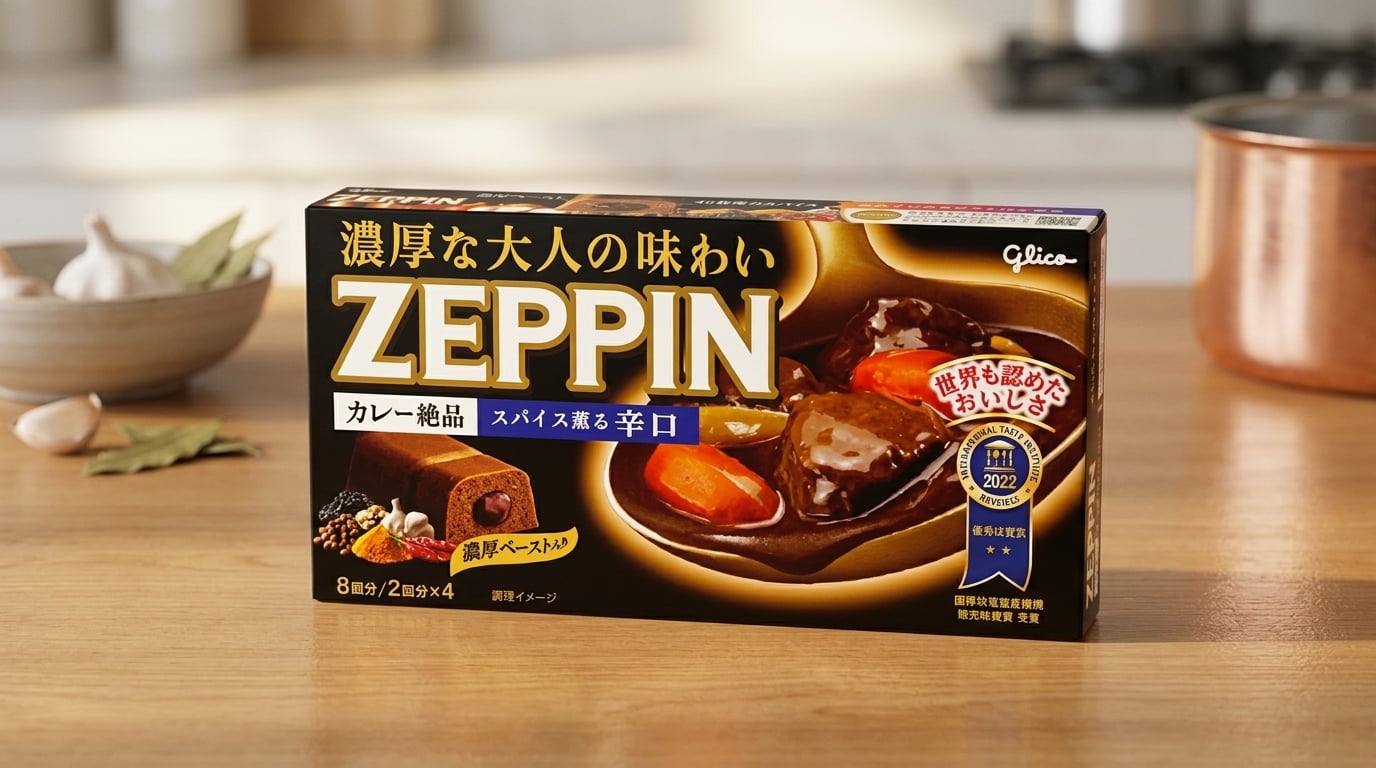
Ezaki Glico ZEPPIN Curry is positioned as a premium roux, with a more layered profile built from higher-grade ingredients, wine, and selected spices. It is less overtly sweet than mainstream options and has an acidity that helps offset its richness.
The higher price is easiest to justify when the curry itself is meant to be the focus of the meal. It suits a more deliberate dinner and pairs well with high-quality cuts of meat, but it is unnecessary if the priority is simply a familiar, inexpensive bowl of curry.
Ezaki Glico Premium Juku Curry
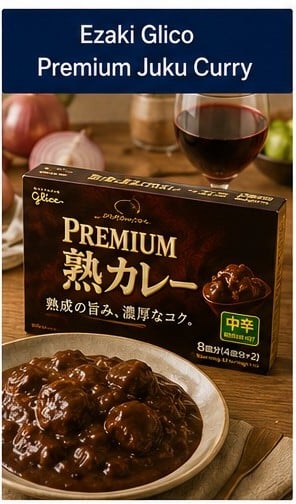
Premium Juku takes the premium idea in a darker, heavier direction. Deeply caramelized onion and slow-cooked elements create a rich, savory-sweet profile, while the thick texture coats each grain of rice.
This is a deliberate tradeoff rather than a universal upgrade. The intensity is useful when a substantial meal is the goal, especially in colder weather, but it is a poor fit for diners who prefer a light sauce or a prominent spicy edge. ZEPPIN offers refinement; Premium Juku emphasizes maturity and weight.
Oriental Instant Curry
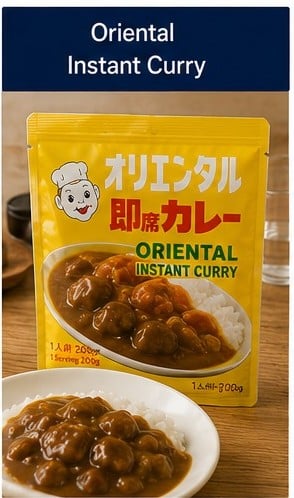
Oriental Instant Curry changes the format entirely. These retort pouches are already cooked and need only heating, so they remove the preparation and customization that define block roux.
That makes the compromise clear: speed and consistency in exchange for softer vegetables and less control over the final dish. It is well suited to solo meals or pantry contingencies when fresh ingredients are unavailable.
Oriental Mars Curry
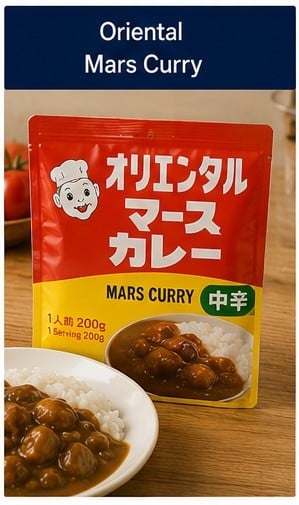
Oriental Mars Curry takes a gentler, sweeter route. Its approachable character is aimed at people who prefer mild curry and a hint of sweetness rather than pronounced spice or layered aromatics.
It will not satisfy someone searching for heat or complexity, but that is not its purpose. For families introducing young children to Japanese curry, its simplicity can be more useful than a sophisticated flavor profile. In that sense, it belongs in the same pantry conversation as Vermont, even though the branding and formulation differ.
How to choose
Start with the texture and flavor you want on the plate, then consider how much cooking control you need. Vermont and Mars are gentle entry points; Java and Golden move toward sharper spice or savory depth; Kokumaro and Premium Juku make thickness and richness more prominent. Torokeru and Instant solve different problems altogether: one prioritizes sauce texture, while the other prioritizes time.
Pick House Foods Vermont Curry for a reliable, family-friendly option with a sweet, mild flavor. It is a practical choice when preferences differ around the table.
Choose S&B Foods Golden Curry for savory depth associated with Japanese home cooking. It offers balanced umami without much heat.
Try House Foods Java Curry for a sharper, spicier profile with aromatic notes. It gives a standard block more intensity.
Choose House Foods Kokumaro Curry for a rich, smooth sauce that emphasizes depth and texture more than heat.
Select S&B Foods Torokeru Curry when mouthfeel matters most and a lighter, exceptionally smooth sauce is preferable to a heavy stew.
Go with Ezaki Glico ZEPPIN or Premium Juku Curry for premium, developed flavors. ZEPPIN is layered and refined, while Premium Juku is darker and heavier.
Consider Oriental Instant or Mars Curry when convenience or gentle sweetness matters more than customization and spice complexity.
The earlier distinction between Vermont and Java is useful here: one leans toward dependable sweetness, the other toward aromatic intensity. Add Golden or Kokumaro when you want more savory depth or body, and reserve the premium options for meals where that extra emphasis is worth the cost.
FAQ
What is the actual difference between Vermont, Java, and Kokumaro?
They are different flavor directions, not merely different heat settings. Vermont is the mild, slightly sweet option with apple and honey notes. Java is sharper and more aromatic, with deeper spice character. Kokumaro is rich and mellow, using roasted onion and apple notes to create a heavier sauce.
Choose Vermont for the widest appeal, Java when standard curry tastes too mild, and Kokumaro when thickness and rounded richness matter more than a spicy edge. The choice is therefore less about finding the “best” one than matching the roux to the people and ingredients involved.
How does S&B’s Golden Curry compare to their Torokeru and Craft lines?
Golden Curry is the familiar baseline: savory, balanced, and easy to use. Torokeru shifts the emphasis to a very smooth, lighter-feeling sauce, while Craft focuses on a more complex spice profile and a result that feels less like a basic assembled roux.
Those differences also imply different levels of effort. Golden is the straightforward pantry workhorse; Torokeru is for cooks who notice texture; Craft is for those willing to give the sauce a little more attention in pursuit of added depth.
Are Ezaki Glico’s ZEPPIN and Premium Juku curries suitable for beginners?
They can be, provided “beginner” means unfamiliar with premium curry rather than specifically seeking the mildest possible flavor. ZEPPIN offers a layered, refined profile, while Premium Juku is built around mature, dark richness.
Neither is the obvious first choice for someone who wants a sweet, very mild base or the least expensive weeknight option. A beginner who prefers gentle curry may find Vermont easier to understand; someone comfortable with richer flavors can use ZEPPIN or Premium Juku without needing advanced cooking skills.
What distinguishes Oriental Instant Curry from Oriental Mars Curry?
The distinction is mainly format and purpose. Oriental Instant Curry comes as a retort pouch and is designed to be heated, while Oriental Mars Curry is the milder, more conventional curry option associated with standard preparation.
Choose Instant when speed and minimal effort outweigh control over ingredients and texture. Choose Mars when a gentle, sweeter curry and ordinary cooking process are more important. The difference echoes the larger guide: convenience is not automatically better, but it can be the right feature for a particular pantry.
Conclusion
For broadly appealing comfort, House Foods Vermont Curry is the safest starting point. S&B Foods Golden Curry offers a more savory direction, while House Foods Java adds sharper spice. Kokumaro and Ezaki Glico Premium Juku serve richer, heavier preferences; ZEPPIN is the more layered premium choice; Torokeru and Oriental Instant address texture and time in different ways.
Keep one familiar box and one contrasting option on hand. That small pairing covers the central choice this guide has returned to: sweet comfort for an easy consensus, or deeper flavor when the curry itself deserves more attention.
