
If you want real Japanese green tea in 2026, you need to go through a specialized importer that actually watches over its cold chain. Ippodo’s leaving the market at the end of 2024, and prices have been climbing anyway. And yeah, you’ll pay for it. Ippodo’s Ummon-no-mukashi runs $82 for a 40g tin.
The tea hasn’t sat around in some sweltering warehouse for months either, slowly losing its freshness.
Supplies are tight right now, and some lines have disappeared entirely.
Ito En’s still my go-to for everyday drinking. But if you’re serious about matcha, don’t wait until it’s hard to find it. Order early, especially when supply’s tight, since oxidized leaves can turn bitter fast. Direct importers like Ippodo Tea Co and Marukyu Koyamaen usually have fresher tea on hand, while general marketplaces run a bigger risk of sitting on stale stock.
How to Choose Authentic Japanese Green Tea in 2026
In 2026, who’s selling something matters almost as much as the label itself. Authenticity isn’t built on marketing claims anymore so much as it’s built on seeing a real, reliable supply chain behind it.
That matters even more after Ippodo pulled out of Amazon US late in 2024, leaving the whole marketplace stuffed with potentially stale inventory.
Why direct importers beat general marketplaces
Freshness matters more than people think. Direct importers tend to store tea in climate-controlled facilities, whereas third-party sellers might not have the turnover to move stock fast enough.
Warehouses get hot, and once tea sits around too long, that oxidation sets in and you can taste it. Old tea just doesn’t have the same snap it had when it was fresh.
Navigating price increases and supply constraints
Don’t dismiss cheap premium matcha just yet. A lot of it comes down to age. With production costs climbing and harvests getting tighter, older stock can end up priced the same as fresher stuff.
Ippodo bumped its prices twice early in 2026, and Ito En pushed bottled tea up to 220 yen. So don’t count on paying less this year.
Distinguishing ceremonial grade from daily drinkers
Pick your preparation method first. Ceremonial grade is built for whisking, so skip it if you’re just making tea in the morning. Sencha and hojicha work better for everyday brewing anyway.
When you’re buying matcha, look for that bright green color and a taste that’s sweet and rich in umami, nothing bitter. Sencha and hojicha both give you more full-bodied flavor, but they skip that delicate finish you’d expect from the traditional way of preparing it. At the end of the day, it really comes down to what you actually drink.
Ippodo Tea Co: The Kyoto Standard for Traditionalists
Ippodo’s bumped prices twice this year, once in March and again in June. That gap matters most at the higher end, so if you’re stocking up, the math’s shifted.
The impact of 2026 price revisions on your budget
The cheaper options are still out there if you know where to look. But once you hit premium, things get pricey fast. Ummon-no-mukashi now runs $82.00 for a 40g can, or $81.00 for the bag version, while Sayaka-no-mukashi sits at $50.00 for 40g and $119.00 for the 100g bag.
The smaller, higher-end formats make this hike harder to miss. Kanza runs $104.00 for just 20g, while Kuon is a bit more reasonable at $64.00 for the same size. Production costs are driving these changes, but if you drink matcha every day, that’s a real hit.
Notable discontinuations and what to buy instead
March 1’s cut list wiped out a bunch of staples everyone knows: Gokujo Hojicha, Kuki Hojicha, Gokujo Genmaicha, Wakayanagi Bancha, and Hojiko Flakes. One-Cup Hojicha Teabags vanished from the global site too.
There’s no named replacement on the horizon yet. If you’re after that roasted flavor, your best bet is just grabbing whatever hojicha stocks are still sitting on shelves, though they might not last long. The 2026 Shincha reportedly sold out in North America back in June.
Amazon US isn’t an option anymore. Ippodo pulled out of the marketplace back in December 2024, so you’ll have to buy straight from their site or go through authorized Kyoto retailers instead. That means no Prime shipping for anyone buying internationally.
Marukyu Koyamaen: Securing Rare Matcha Amidst Limits
Picking up four small cans might seem random until you remember that’s exactly what everyone who’s seriously into matcha hit hard in June 2026.
How to navigate the June 2026 purchase restrictions
Marukyu Koyamaen capped orders at four small cans or two large cans to hit resellers where it hurts. This is a hard limit, not some soft guideline.
Start with the ceremonial grades first. Daily cooking matcha can wait its turn. Rare harvests need to come before it.
The new anti-counterfeit system explained
QR codes are history. On July 30, 2026, the brand rolled out a new verification method to crack down on fakes.
Check your tin the second it shows up. If the seal looks messed with, or the code doesn’t match, call support before you open it.
Why this brand is worth the extra effort
Hard to find a house that nails umami and bitterness quite this well together. The texture’s silky, not chalky.
You give up a little convenience for certainty. Knowing your matcha is real, fresh, and handled right makes that extra effort worth it.
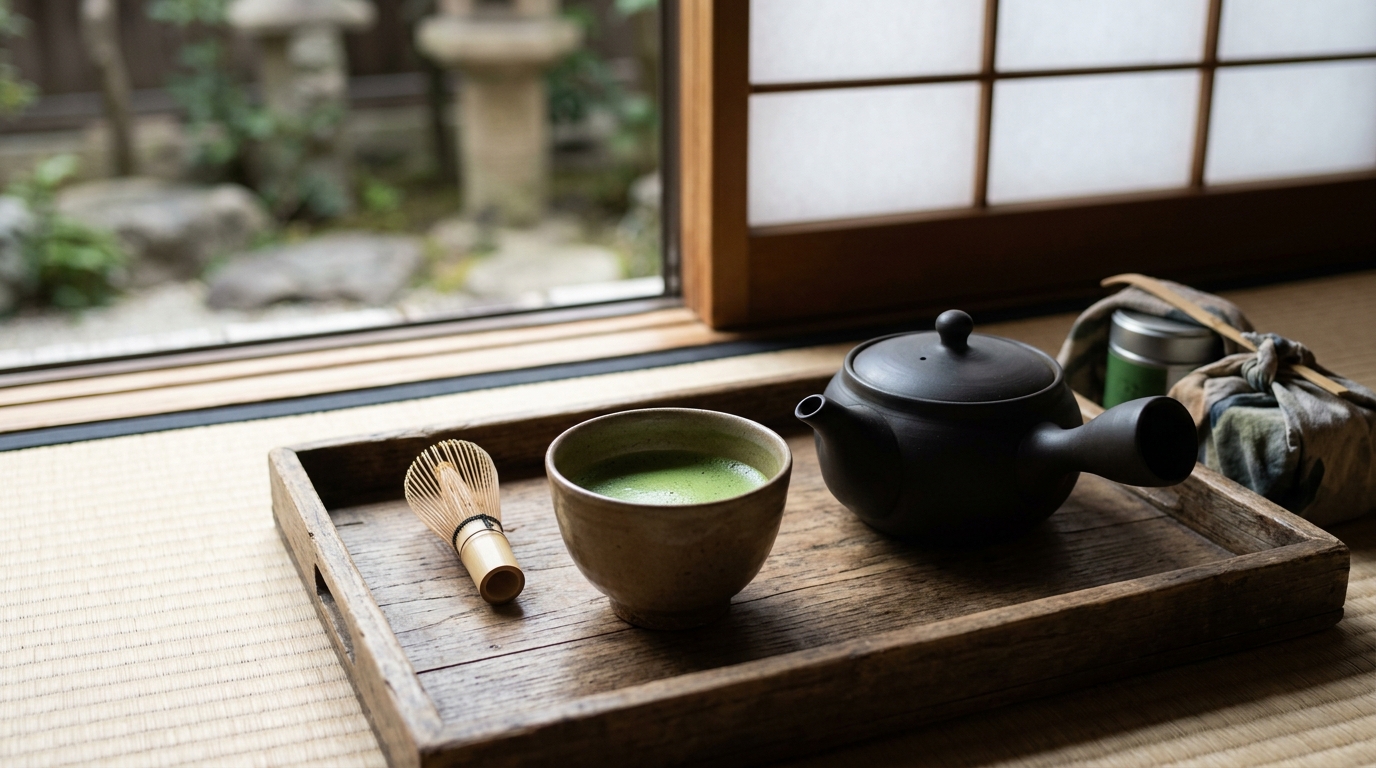
Ito En: The Reliable Choice for Everyday Bottled Tea
As of August 2026, standard 525ml to 600ml bottles now sit at 220 yen each. That’s a small bump, but it’s really just reflecting higher logistics costs. Ito En’s still one of those easy go-to options for everyday hydration, especially if you’re not set up with brewing gear.
What the August 2026 price hike means for consumers
You’ll spot the new prices first at convenience stores and supermarkets. Mass-market green tea priced under 200 yen is basically history now, though 220 yen bottles still hold their own against craft sodas.
If you’re knocking back several bottles a day, that adds up fast, so don’t be surprised if your budget feels it before your shelf does.
The permanent role of the 1000-yen gift bottle
Inflation hasn’t hit everything the same way here. The 1,000-yen bottle still sits as a high-end gift option, built for people who care more about how something looks than how much they’re getting, and it’s kept right where it was. Everything else has moved though.
Discontinued Sakura varieties for 2026
Oi Ocha Sakura Green and Matcha Love Sakura Matcha are both gone for 2026. If those were your go-to flavors, they’re not coming back this year. The core unsweetened lineup is now doing most of the heavy lifting instead.
The Tea Company: Artisan Blends for Modern Palates
The Tea Company isn’t obsessed with the kind of purity you’ll find from the traditionalists.
Instead, it blends profiles that keep that character but smooth out the grassy, astringent edges that single-origin sencha can sometimes bring out. That’s what makes the lineup so useful if you want complexity without having to work for it.
Why The D’or stands out in a crowded market
The D’or is a solid starting point if you’re new to steamed blends. Good quality leaves give it real body, but the flavors stay easy to read instead of overloading your cup. If you’ve been turned off by the intense punch some steamed teas deliver, this one’s gentler on the palate, and it skips the bitter aftertaste that can stick around with pricier versions.
This one’s meant for everyday drinking, not some fancy ceremony-room tasting.
Exploring the unique profiles of Beni-Houji and Hana-Houji
Beni-Houji gets dark and roasted, and coffee drinkers leaning toward tea might spot that right away even though it’s still unmistakably tea. Hana-Houji takes a gentler path instead, bringing in soft floral notes without any artificial scenting behind them.
Put them side by side and you get a good comparison: roasting and blending can take green tea way beyond what it usually tastes like, but it never quite loses that basic identity.
Ideal pairings for contemporary tea ceremonies
Serve these blends with modern pastries or a light brunch. The smoother tannins just go along with sweet, creamy textures instead of fighting them for attention. And they’re a good pick at casual get-togethers too, places where formal ceremony feels like overkill and enjoying yourself matters more than getting the ritual exactly right.
That’s not a rejection of tradition. It’s just a better fit for a less formal table.
Frequently Asked Questions About Buying Japanese Tea
Ippodo’s US Amazon storefront vanished in December 2024, and regular buyers noticed fast. The brand says it’s moving to direct-to-consumer sales, which gives it more control over quality and customer service. Now you can only buy from third-party resellers on Amazon.
Buying straight from Ippodo also means you’re less likely to end up with tea that’s sat around in a warehouse for months.
Why did Ippodo leave Amazon US?
This wasn’t sudden. Ippodo’s always stressed tight control over its supply chain, but once something gets sold on the open market, tracking storage temps and stock turnover gets messy fast. Their own North American site fixes that, since it lets them keep a closer eye on what’s happening with the tea, especially stuff like matcha and gyokuro that are more fragile and need more attention.
You’ll have to plan around that gap. Seasonal drops are still worth keeping an eye on, and the newsletter can help with restock alerts. Without Amazon as a backup, stuff like Ummon-no-mukashi can disappear fast once it’s gone.
Is shincha still available in late 2026?
No. The 2026 shincha harvest arrived in June and sold out quickly through the North American site. This tea is seasonal, and the yield is limited.
This run won’t be back until next spring at the earliest, so don’t count on another August or September restock.
If you missed the first flush window, early-harvest sencha is your best bet. It still tastes fresh, but it lacks that sharp vegetal kick you get with real shincha.
How do I verify authenticity with Marukyu Koyamaen?
Skip the old QR code system entirely. It’s out of date and no longer in use. Marukyu Koyamaen rolled out a new anti-counterfeit protocol on July 30, 2026, so look for the updated security features on the package instead of scanning codes from days gone by.
Order limits give you another clue here. In June 2026, the brand capped customers at four small cans or two large cans per order, clearly trying to crack down on scalpers. So if someone’s pushing an unlimited rare matcha offer, including Isuzu or Akebono, it’s worth being careful about.
At a glance
| Brand | 2026 Reality Check |
|---|---|
| Ippodo Tea Co. | Pricing shifted twice this year (March and June). Their premium Ummon-no-mukashi matcha now runs $82 for a 40g can, while the Kanza grade hits $104 for just 20g. Note that they pulled out of Amazon US in late 2024, so you are buying direct or through select partners. Also, several staples like Gokujo Hojicha vanished from the lineup in March. |
| Marukyu Koyamaen | Sourcing here feels tighter than usual. As of June 2026, they capped orders at four small cans or two large ones per customer to manage stock. They also swapped out their old QR code verification for a new anti-counterfeit system on July 30, which is a good sign if you are worried about fake premium matcha. |
| Ito En | The everyday bottled options got more expensive, with standard 525ml–600ml bottles hitting a 220 yen MSRP in August. If you were looking for their seasonal Sakura Green or Matcha Love Sakura Matcha, do not bother, both are discontinued for 2026. Their main play now is the permanent high-end Oi Ocha 1000-yen bottle for gifting. |
| The Tea Company | A smaller roster but distinct profiles. They focus on specific blends like The D’or, along with roasted options such as Beni-Houji and Hana-Houji. It is a different lane from the massive catalogs of Ippodo or Ito En, focusing on curated specialty items rather than mass-market volume. |

FAQ
Why can’t I find specific Ippodo teas like Gokujo Hojicha anymore?
Ippodo quietly cut back its lineup on March 1, 2026, pulling several staples like Gokujo Hojicha, Kuki Hojicha, Gokujo Genmaicha, Wakayanagi Bancha, and Hojiko Flakes. They also pulled the One-Cup Hojicha Teabags from their global site. If you’re after any of those specific blends, they’re gone from current stock now. The company says it’s just realigned its focus, probably to trim inventory as costs rise.
This isn’t some temporary stockout we’re dealing with here. This is a permanent removal from the catalog. If you’re after that roasted, stem-heavy profile, you’ll have to hunt elsewhere, brands like The Tea Company are worth checking out for stuff like Beni-Houji. Or just know going in that Ippodo’s lineup feels tighter right now than it did a year ago.
Is it still safe to buy Marukyu Koyamaen matcha online given counterfeits?
Yeah, but there’s a catch: the verification method changed on July 30, 2026. Marukyu Koyamaen swapped out their old QR code system for a new anti-counterfeit process. So if you’re buying from third-party sellers (or even just digging through your own stock), those old codes won’t work anymore.
Just make sure whoever’s selling it actually carries this newest security measure.
They’re also keeping supply tight. Back in June 2026, the brand cracked down with real purchase limits: just four small cans or two large cans per transaction. The idea is to crack down on resellers and actually give genuine fans access to fresh stock, so don’t be shocked if your cart gets flagged when you try to bulk buy.
Did Ito En discontinue their seasonal sakura teas for 2026?
Unfortunately, yes. Both Oi Ocha Sakura Green and Matcha Love Sakura Matcha were discontinued for the 2026 season. If you were hoping for that springtime floral note in your bottled tea or matcha blend this year, you’ll come up empty.
Ito En stopped making those specific seasonal items, so they’re gone for good this time.
The good news is that their premium gifting line is still there. The Oi Ocha 1000-yen bottle has become a permanent high-end item instead of something they’d release only occasionally. You’re giving up those sakura versions, sure, but the core bottled lineup keeps moving up in price anyway. Standard 525ml-600ml bottles now sit at 220 yen as of August 2026.
Where can I actually buy Ippodo’s new Shincha if it’s sold out?
Right now you’re probably stuck buying it wherever you can find it. The 2026 Shincha dropped in June and Ippodo’s North American site sold out fast. They pulled out of Amazon US last December to protect freshness and keep control over their supply chain, so there’s no official secondary market either if you want to avoid ending up with stale tea.
If you really want this year’s Shincha, your best bet is just waiting until next year’s harvest rolls around. Or look into other direct importers who might still have some leftover early-harvest sencha sitting in their warehouses. Trying to track down “official” Ippodo Shincha on general marketplaces right now is a roll-of-the-dice kind of thing. Without Ippodo’s direct oversight, you’re left guessing about storage conditions and when that tea actually got picked.
How do current Ippodo prices compare between tins and bags?
The price changes have opened up some real gaps worth noting. Take Ummon-no-mukashi, for example. You pay $82.00 for a 40g can, which drops just a bit to $81.00 for a 40g bag. That’s basically nothing of a difference, so the tin’s reusability isn’t really selling itself at this point unless you’re into the look of it. Sayaka-no-mukashi tells a different story though. There, you’re looking at $50.00 for a 40g can against $119.00 for a 100g bag. That’s a bigger gap, and it matters more.
Conclusion
If you’ve got a bit extra to spend in 2026, paying for premium Japanese green tea brands is worth it. Find a direct importer with a clear supply chain and stock that’s actually been stored right, since freshness really does show itself from day one.
