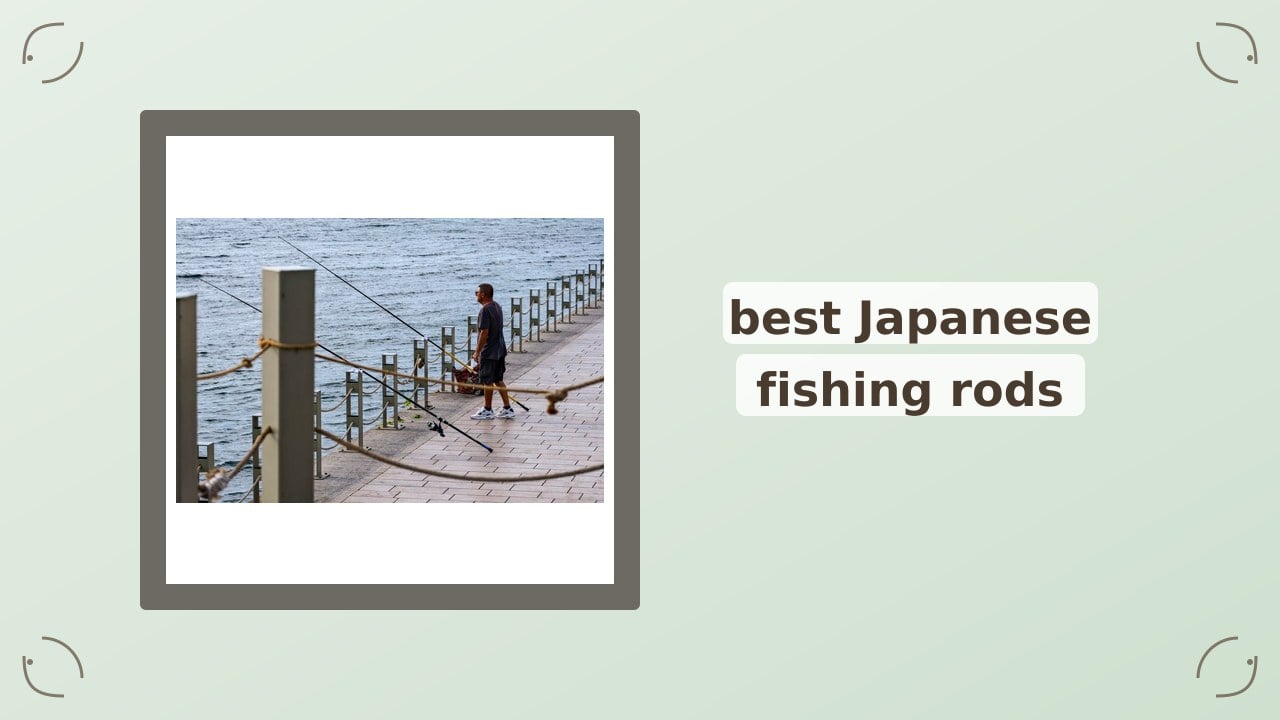
For most anglers in 2026, Shimano and Daiwa remain the least risky purchases. They’re widely available worldwide, and their reliability records are hard to argue with. The picture changes at the specialist end: Evergreen and Yamaga Blanks can deliver more focused performance, although importing them is often tougher and the final bill can climb quickly.
This guide covers reputable sellers, current prices, and purchase options across 15 leading Japanese brands. The central buying question is less “Which brand is best?” than “How narrowly should this rod be matched to the fishing?” That distinction becomes important once the options move beyond the global leaders.
Rocky Japanese shores punish sloppy gear. Shimano answers with high-modulus sensitivity, while Daiwa leans into shock-absorbing precision. Both brands build blanks around technical lure work and hard-fighting fish, so their JDM-specific lines stay responsive enough to reveal tentative bites without folding under pressure.
Why Shimano and Daiwa Dominate the Global Market
Shimano JDM gear starts from a demanding premise: Japanese anglers want extreme sensitivity without giving up brute durability. Global releases often temper those traits for wider appeal, so the rod’s origin can matter nearly as much as its listed specifications when you’re choosing serious equipment.
The versatility of Shimano JDM engineering
Material performance sits at the center of Shimano’s JDM rod design. High-modulus carbon blends, materials often reserved for flagship models in other markets, produce blanks that respond almost immediately to what the lure is doing. Twitch a minnow or drag a jig across structure, and the rod relays that contact with little delay.
That responsiveness doesn’t make the rods one-dimensional. Their tapers reflect Japan’s varied fishing styles, from detailed rock shore gaming to open-water casting, and one model can often cover several techniques without becoming sluggish or excessively stiff. Shimano’s appeal is partly that flexibility, the same quality that makes it a safer starting point for buyers who have not yet settled on one narrow technique.
-
High-modulus carbon blanks for superior sensitivity
-
Tapers optimized for multi-technique application
-
JDM-specific builds often feature lighter guide systems
Daiwa’s reputation for reliability and precision
Daiwa builds its case differently. Consistent precision comes first, supported by reliable quality control intended to make each unit perform as specified. That assurance becomes especially valuable in difficult conditions, because equipment failure can end a session before the fishing really begins.
Decades of refining blank construction and guide placement have shaped the brand’s reputation. Daiwa rods generally use a slightly more progressive action than some competitors, which helps absorb shocks when hard-charging fish turn violent. Anglers who prioritize fight management over maximum casting distance may prefer that character.
Shimano may hold the advantage in raw sensitivity. Daiwa, by contrast, earns confidence through consistency and durability, giving buyers a clearer sense of what they’ll get from one rod to the next. For plenty of anglers, that peace of mind is enough to justify the premium price tag.
In other words, the choice is not simply between two levels of quality; it is between different kinds of control.
Elite Performance from Megabass and Evergreen
Megabass and Evergreen operate near the top of Japanese rod manufacturing. They aren’t aimed at anglers searching for one do-everything rod. Instead, both brands build specialized tools around exact techniques and actions, which is why their prices can sit well above mass-market alternatives.
Big-box discount bins aren’t where you’ll find them, either. Availability stays uneven because small production runs can disappear quickly.
Megabass rods for advanced angler sensitivity
Megabass starts with the lure system. Many of its rods are tuned to match a bait’s weight and action, and that attention shows up most clearly in the blank’s taper and recovery. The OROCHI XX series remains a benchmark for bass anglers who want high sensitivity without surrendering hook-setting power.
Subtle vibrations from hard baits and finesse worms travel cleanly to the hand, including changes in bottom composition that cheaper rods may soften or hide. For jerkbaits and topwaters, the precise recovery rate of an Orochi blank also helps the lure resume its intended action after erratic retrieves. The benefit is information, but information only helps when the technique gives you a reason to use it.
Expect prices from $300 to $600 USD, depending on the model and import fees. Specialized JDM importers and high-end tackle shops in major metropolitan areas are the usual sources. Deep discounts are uncommon because Megabass tightly controls pricing, so waiting for a clearance sale usually isn’t a realistic plan.
Why Evergreen appeals to serious tournament fishers
Evergreen International takes a more openly tournament-driven route, developing designs with pro staff who need rods capable of handling heavy drag settings. Its Poseidon series has earned a reputation among saltwater and heavy freshwater anglers who target large predators. The rods are built to stay composed under pressure, with strong guide wrapping and high-grade carbon layups that resist twisting during hard fights.
-
Target species: Large bass, snapper, and amberjack.
-
Key feature: High torque resistance for vertical jigging.
-
Price point: Premium, often exceeding $400 USD for flagship models.
Authentic Evergreen gear can take some hunting. Shipments arrive in limited quantities, and popular models such as the TKL-66 may sell out soon after release. Dedicated JDM retailers are worth checking monthly.
General outdoor stores rarely maintain consistent inventory.
These rods make the most sense around heavy cover or deep water, where equipment failure can cost more than a missed bite. Lose the fish, lose the expensive lure too. That practical risk is what turns Evergreen’s premium from a specification-sheet question into a use-case decision.
Specialized Light Tackle Options from Yamaga Blanks
Yamaga Blanks built its name on light tackle, where extra power can actually get in the way. The blank carries the faint tick of a tiny jig or the muted touch of a soft plastic directly to your fingertips. That early information matters more than brute force when you’re fishing for sea bass or rockfish around shallow structure, and the brand’s engineering reflects that narrow, deliberate purpose rather than chasing broad market appeal.
Precise bending action for light tackle fishing
The bend tells the story. Instead of concentrating stiffness near the tip, as many mass-produced rods do, Yamaga designs blanks that load progressively through their length. On light line, that smooth, parabolic response absorbs the abrupt shock of a fight with smaller fish and their delicate mouths.
Hook pulls happen less often. The rod behaves like one continuous spring, not a short lever.
Recent models push the idea further by refining the taper around particular lure weights. Fish a 2-gram jig in current and the difference shows up quickly: the added forgiveness helps keep the bait in the strike zone longer, although you give up some lifting power in exchange for that feel. For this style of fishing, that’s usually the right trade.
Ideal choices for Japan and South Korea waters
Japan and South Korea offer the kind of coastal fishing these rods were made for. Around Tokyo Bay, you might work topwater plugs for sea bass. Along Korean coastal reefs, the next cast could be a micro jig for rockfish.
The environments differ, but the tackle logic is much the same: small presentations, close contact, and fish that can turn suddenly.
-
Optimized for small lure presentations common in East Asian coastal fishing.
-
Sensitive enough to detect bites in murky or high-current tidal zones.
-
Durable enough to handle sudden runs from unexpected larger species.
That specialization is the point. A Yamaga blank gives anglers in these waters an option that global brands can miss when versatility becomes the main design target. It also clarifies the broader pattern in this guide: less versatility can be a weakness in general, but an advantage when the fishing conditions are already well defined.
Sourcing authentic JDM gear from Major Craft and Raid Japan
These brands aren’t distributed like the global giants. Major Craft and Raid Japan may not appear on shelves at a big-box retailer in the US or Europe, especially with the specific JDM codes you’re looking for. English labeling can be limited, and Shimano’s level of international warranty support often isn’t included.
Check the importer first. Gray market purchases can arrive without protective tubes or the original documentation, so confirm that the stock is legitimate before paying. This is where the earlier appeal of specialization meets its less glamorous cost: the rod may be carefully tuned, but the purchase itself requires more verification.
The specific needs of Japanese domestic market rods
Major Craft doesn’t try to make every rod an all-rounder. Its blanks are built around narrow applications, including light rock fishing and precise bass presentations in clear water. Sensitivity is tuned to local species and lure weights that may feel underpowered to a western angler accustomed to heavier gear.
That focus is useful, but it isn’t free. Finesse tactics get excellent touch and feedback, while a larger, unexpected fish can expose the rod’s reduced forgiveness. The design favors technical precision over brute strength.
If largemouth bass in heavy cover is your main target, this gear may feel too delicate.
Navigating the Anti and Maximum lines from Raid Japan
Raid Japan splits its high-end offerings into two distinct philosophies. Anti is the quieter option. The line focuses on suppressing vibration and noise, producing a dead-stick feel that can send subtle bites straight to your hand.
It suits anglers who rely on reaction strikes rather than active retrieval.
Maximum goes the other way. These rods emphasize power transmission and hook-setting authority, loading deeply before snapping back quickly to help drive hooks into tough-mouthed species.
The decision is fairly practical: choose Anti when the presentation needs to stay quiet, and Maximum when the technique demands more force. Both lines command premium prices because of their specialized carbon layups. Availability also shifts, so check with dedicated JDM importers rather than general tackle outlets.
At a glance
Brand / Lineup Where to Buy (JDM Sources) Key Trait & Target Angler Shimano JDM Series JDM-specific importers; specialized tackle shops carrying Japanese Domestic Market gear High-modulus carbon blanks for extreme sensitivity; suits anglers wanting immediate lure feedback without sacrificing durability. Daiwa Precision Rods Major global tackle retailers; authorized Daiwa dealers focusing on reliability-focused builds Slightly more progressive action to absorb shock from hard-charging fish; ideal for those prioritizing consistent quality control and equipment reliability. Raid Japan (Anti & Maximum Lines) The Hook Up Tackle; specialized high-end JDM importers Premium high-end construction split into two distinct lineups; targets serious anglers seeking elite, specialized performance beyond standard global releases. Megabass & Major Craft Kiichin; dedicated JDM import stores like The Hook Up Tackle Versatile options for advanced anglers who are particular about selecting the right tool for specific techniques, from light tackle to detailed shore gaming.
FAQ
Are JDM rods actually worth the import premium over global models?
It depends entirely on whether you fish for finesse or brute force. Japanese Domestic Market (JDM) rods prioritize extreme sensitivity and lightweight blanks because local anglers often target wary, pressured fish in clear water using light lines and small lures. If you’re bass fishing with heavy cover or chasing toothy predators that demand abrasion resistance, a global-model rod with heavier guides and a stiffer backbone might serve you better for less money.
The premium you pay isn’t just for the carbon; it’s for the specific taper geometry that feels almost telepathic with soft plastics or tiny jigs. For anglers who value feeling every pebble on the bottom or the subtle inhale of a cautious bite, the extra cost is justified. For everyone else, the difference might feel like paying for a race car to drive in school zones.
That is the same tradeoff seen with Yamaga, Major Craft, and the more specialized lines: precision pays when the intended technique can actually use it.
Can I trust English translations of JDM rod specifications?
Treat them as rough estimates, not gospel. Terms like “power” and “action” don’t translate linearly between markets. A JDM rod labeled “Medium” often feels closer to a “Medium-Light” or even “Light” by American standards because Japanese manufacturers grade their power curves against lighter line classes and smaller lures.
Lure weight ratings are slightly more reliable but still conservative. A rod rated for 5–10 grams might handle 12 grams in a pinch, but pushing it risks damaging the delicate tip sections that define its sensitivity. Always cross-reference user reviews from anglers who have physically handled both JDM and global versions of similar models to gauge where the actual performance window lies.
What happens if my JDM rod breaks outside Japan?
This is the single biggest risk of buying gray-market gear: warranty support is virtually non-existent internationally. Shimano and Daiwa generally honor warranties only in the country of purchase, meaning a snap in Ohio or London won’t get you a free replacement from your local dealer if the serial number traces back to Tokyo.
Your only real recourse is third-party repair specialists who can source compatible tips or blanks, but this is costly and slow. Some high-end boutique brands like Evergreen or Megabass may offer paid repair services if you ship the rod back to Japan, but you’ll eat the shipping costs and import duties both ways. Factor this potential loss into your initial purchase decision.
Do I need special reels to pair with Japanese rods?
You don’t need them, but mismatched balance ruins the point of buying a high-end JDM blank. These rods are engineered to be exceptionally light, often stripping out unnecessary hardware to save grams. Slapping a heavy, large-capacity global reel on one will make it feel tip-heavy and sluggish, negating the sensitivity you paid for.
Aim for reels designed for finesse applications, smaller spools, lighter bodies, and compact footprints. Many JDM rods pair best with 2000–2500 size spinning reels or compact baitcasters that mirror their intended lure weights. If your current reel feels like an anchor on your new rod, it’s time to downsize your setup to match the rod’s intended equilibrium.
Conclusion
For technical lure work, Shimano feels sharper and more sensitive. Daiwa takes a different route, with the progressive action and reliability that matter when fish turn violent. The specialist brands can reward a closer match between rod and technique, but that advantage comes with narrower use, harder sourcing, and greater warranty risk.
JDM stock and prices can shift quickly, so check major online retailers such as Amazon Japan and specialized tackle shops before buying. Start with the fishing problem, then verify the specification, importer, and support terms, the same practical checks that separate a worthwhile specialist purchase from an expensive mismatch. Thanks for reading.
