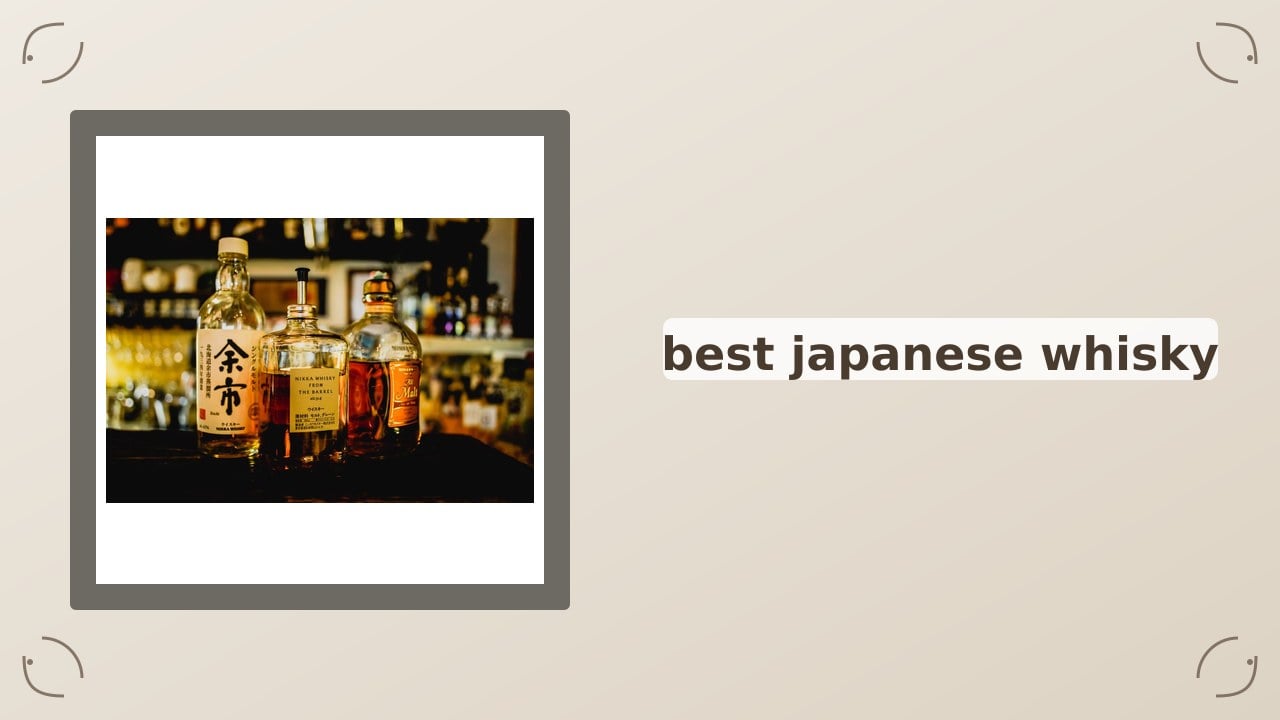
Finding specific Japanese whisky bottles at their suggested retail price is tough in physical stores these days. Lotteries, empty shelves, that whole “out of stock” game. An online source takes the hassle out of it. This roundup looks at six most popular Japanese whisky currently listed on Amazon and checks where their prices actually sit right now.
Which Japanese Whisky bottles can you actually find online right now?
Yamazaki 12 Year Old
The Yamazaki 12 Year Old usually lists at ¥17,600, but don’t count on finding it at that price anywhere other than online. On Amazon, you’ll probably end up paying more than the MSRP anyway, since demand outstrips supply. Still, it’s a solid way to get your feet wet with Suntory single malt, whether you’re sipping it straight or mixing it into a highball.
That said, there’s a cost. You’re paying for the convenience of access and that brand name, so it’s worth checking the current listing price closely before you commit.
Hibiki Japanese Harmony
Hibiki Japanese Harmony might be the easiest way to get into blended whisky if you’re not already steeped in Japanese whisky. It runs ¥8,250 to ¥8,800, and you’ll find it on Amazon, which tends to be where people first stumble onto it if they’re curious about
Japanese blends but haven’t known where to start. That floral, honeyed nose makes it work just as well mixed as it does sitting on ice.
You’ll find these easier than the age-stated Yamazaki bottles, but don’t expect the price to match the official suggestion on Amazon. That’s just how popular this one has become, whether someone’s after it for a collection or just enjoys a good bottle now and then.
Hibiki Blossom Harmony 2026
Hibiki Blossom Harmony 2026 is very a very popular Japanese whisky brand, marking it as a current seasonal or limited release variant within the Harmony line. Unlike the standard Harmony, this edition likely features specific cask finishes or blending adjustments suited for the year, though exact tasting notes vary by batch.
Availability here is more sporadic than the core range, so if you see it in stock, it is worth considering if you enjoy the lighter, floral character typical of the Hibiki house style.
Think of it as a collectible. Once it’s sold out, it’s gone for good.
Hakushu 12 Year Old
Hakushu 12 Year Old is back in the core lineup after sitting out for a while, and it’s still priced at ¥17,600, the same price tag as Yamazaki.
Amazon’s listing this one right now, which gives you a real shot at snagging it instead of relying on some random lottery at a physical store. It’s got that fresh, minty, slightly peated feel going on, and honestly, it’s quite different from Yamazaki’s richer style.
It’s technically back on sale, but don’t assume that means you’re getting a good deal. Prices jump around on Amazon all the time, and other secondary retailers often have better offers anyway. Worth checking a few different places before you buy just to make sure you’re not paying way more than you need to.
Yoichi Single Malt
Yoichi Single Malt is Nikka’s coastal style, and yes, you can grab it on Amazon. There’s no age statement on this core expression, but that just means you’re getting that bold, smoky character that’s earned Yoichi a real following among Islay-style fans.
Prices vary on Amazon, and they tend to sit above the base MSRP for similar non-age-stated premiums, since Nikka’s been pushing this stuff hard abroad.
If you’re into heavier, peat-influenced drams, this one’s worth picking up. Just make sure to check the seller’s reputation first since high-demand Japanese brands tend to get hit hard by counterfeits.
Miyagikyo 10 Year Old
Miyagikyo 10 Year Old is listed on Amazon, offering a softer, fruitier alternative to Yoichi’s intensity. This single malt from Nikka’s Miyagikyo distillery provides a delicate balance of apple and citrus notes, making it suitable for those who find peat too overwhelming. Like other Nikka core expressions, availability can be inconsistent, and prices on Amazon may reflect secondary market inflation.
It’s worth picking up if you want a taste of the lighter side of Japanese malt, but check the price tag first and make sure it fits what you’ve got in mind.
How to choose
In 2026, buying Japanese whisky isn’t really about hunting down the “best” bottle anymore. It’s about finding something that actually fits your taste.
Availability still comes and goes, so you might end up picking based on smokiness, how floral it smells, or just trying to snag a bottle before a scalper price tag creeps up.
If you’re just getting into Japanese whisky, Hibiki Japanese Harmony is a good place to start. It’s smooth and easy to drink, and it works just as well on its own as it does in a highball.
If you don’t mind hunting down stock and paying extra, go with the Yamazaki 12 Year Old. It’s still one of the best examples out there of that rich, mizunara-driven flavor, though bottles are getting harder to find these days.
If you come across Hibiki Blossom Harmony 2026 at retail, grab it. It’s a limited annual release with a seasonal vibe, and once this year’s allocation’s gone, it’s gone for good.
Opt for Hakushu 12 Year Old if you prefer a crisp, herbal character to heavy sweetness. Its peat-light style also needs careful storage to stay fresh after opening.
If you’re after that smoky, Islay-like bite, grab the Yoichi Single Malt. Just be prepared to hunt around a bit, since it tends to sell for way more than the suggested retail price.
If you spot Miyagikyo 10 Year Old at a price that feels fair, grab it. The flavor’s got that same light, fruity elegance you’d expect from something much pricier, minus all the hype.
Right now availability matters way more than some abstract quality rating. If one of these core expressions is sitting on shelf at a reputable seller like Amazon or a major liquor retailer, buying it might just be smarter than holding out for a better deal or a different brand.
FAQ
Where can I actually find Yamazaki 12 or Hakushu 12 right now?
Finding a bottle of Yamazaki 12 Year Old or Hakushu 12 Year Old at retail price in 2026 is getting harder. These bottles have turned into collector’s items, so you’ll mostly see them on secondary markets, auction sites, or through specialty whisky brokers who mark them up quite a bit above MSRP. Even if one shows up on a regular supermarket shelf, check the price tag closely, since it could be way more than what you’d pay at full retail.
Monitoring official online retailers in Japan that ship internationally may help avoid scalper prices, though stock drops are reportedly rare and often sell out quickly. Some high-end duty-free shops at major international airports occasionally receive allocations, but availability can vary. For most drinkers, the non-age-stated Yamazaki Distiller’s Reserve or Hakushu Distiller’s Reserve are more accessible alternatives that still carry the house style.
Is Hibiki Japanese Harmony easier to buy than the age-stated bottles?
Hibiki Japanese Harmony usually shows up easier than its older siblings, the 17 or 21 Year Olds, but that’s relative talk. You’ll still find it at well-stocked specialty liquor stores and some bigger online retailers, though you’ll pay a bit more these days. Prices have crept up over the past few years. Still, it’s the easiest way to get into Suntory’s blended whisky lineup if you’d rather skip the auction house nonsense.
The Hibiki Blossom Harmony 2026 comes out with a similar distribution pattern, but there’s less supply early on since it’s a limited edition. That means it could disappear fast once it hits primary retailers, and secondhand sellers can snap it up before you know it. If you’re after this floral flavor, setting up restock alerts at the bigger online spirits merchants is probably your best bet. Specialty bars that carry full bottles might still have some sitting on their shelves too.
Which single malt offers better value: Yoichi or Miyagikyo?
Nikka’s two distilleries offer distinct profiles, but availability can influence value alongside taste. Yoichi Single Malt, with its bold, peaty, and coastal character inspired by Scotch malts from Islay, tends to command a higher price on the secondary market. Reviews commonly describe it as a powerful choice for drinkers who enjoy smokiness.
Miyagikyo 10 Year Old tends to cost a bit less upfront but still gives you that elegant, fruity, gentle Nikka style. It’s still tough to track down at retail prices compared to what it was five years ago, though. Sometimes it pops up at specialty online shops before Yoichi does. If you’d rather go easy on the smoke and don’t want to get caught up in bidding wars just to snag a bottle, Miyagikyo is usually the safer bet of the two.
Should I buy from Japanese online retailers or local shops?
Picking up bottles straight from Japanese online retailers can still get you prices close to MSRP, but you’ve got to factor in shipping costs and whatever import duties your own country slaps on top of that. Plenty of solid Japanese spirits shops ship internationally, but once you add it all up, including customs delay time that can stretch into weeks, you’re often paying about the same as you would at a local specialty store that’s already done the legal importing itself.
Local specialty shops give you quick access and some real consumer protection if a bottle’s seal is dodgy or the labelling’s messed up. Sure, their markup can look steep at first glance.
Conclusion
Japanese Whisky brands are a mixed bag right now: some prices are inflated, some deals are real. If you’re after a specific discontinued bottling and convenience is worth paying extra for, sure, go for it. But for everyday purchases, it’s usually cheaper to check specialized retailers or wait for restocks at major liquor chains.
